Conservation and Livelihood based Project Activities
The Snehakunja has been actively pursuing research and action-based projects to support the ongoing movement towards conservation, restoration and sustainable uses of local natural resources in establishing the sustainable social system. We undertake and facilitate
- Development and execution of research studies and engage in research to conserve Western Ghat and coastal ecosystem services .
- Support the implementation of major recommendations of research based on scientific evidences for the conservation of natural resources.
Snehakunja has been actively involved in promoting conservation of Western Ghats and west coast region of Karnataka and India since its inception. Some of the major research and livelihood activities undertaken in recent years are community engagement in forest conservation, women empowerment through capacity building, formation of women producer groups and entrepreneurial development for sustainable harvesting and market promotion of non-timber forest products.
The Snehakunja has executed Government of Karnataka Organic Village Adoption scheme for the promotion of organic farming and facilitate marketing of organic rice and other natural products. Some of the new initiatives are in the area of coastal and marine fisheries conservation and livelihoods, alternative energy for the community, biochar as a means to enhance soil health and carbon sequestration etc.
Brief Report of Research & Development Projects Implemented (2019-20 to 2025-26)
1. Biodiversity Conservation and Tree Plantation Phase II
Project Title:Biodiversity Conservation and Tree Plantation Phase II
Funding Agency:Himalaya Wellness Company, Makali, Tumkur Road, Bangalore
Total Budget: INR Rs. 1,22,45,600.00
Project Period:April 1st 2025 to March 31st 2027
PI: Dr. Narasimha Hegde
The project is being implemented in the Sirsi and Sagar regions of Uttara Kannada and Shivamogga districts of Karnataka—an ecologically rich landscape characterized by tropical evergreen and semi-evergreen forests, high rainfall, and a mosaic of forest, agricultural, and community-managed systems. This setting provides a strong foundation for demonstrating integrated restoration models.
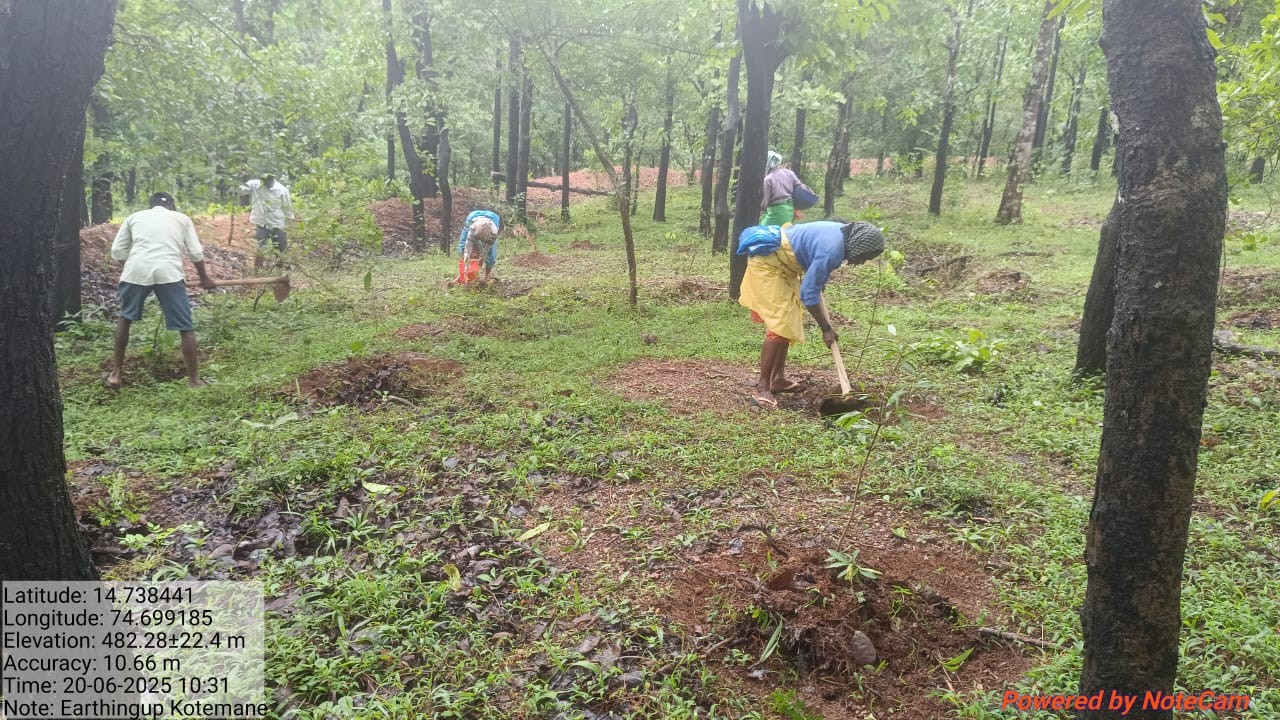
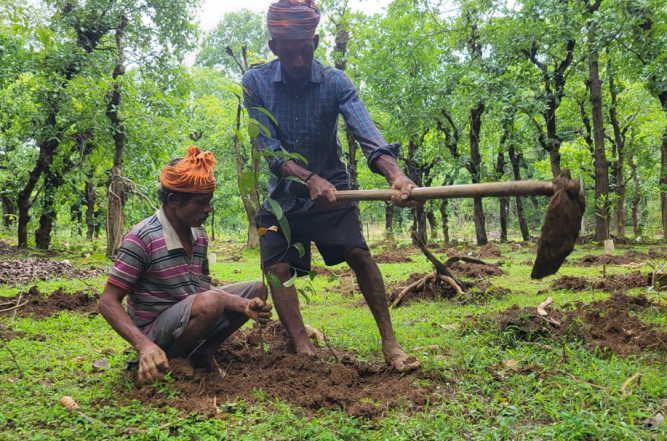
During Phase 2, plantation activities were nearing completion when a separate field team-initiated fertilizer application and earthing-up operations across newly planted sites, coinciding with a decline in rainfall intensity. However, during the peak monsoon period, heavy and continuous rains caused significant mortality in Eucalyptus globulus plantations, highlighting the species’ vulnerability to waterlogging and excessive moisture stress.
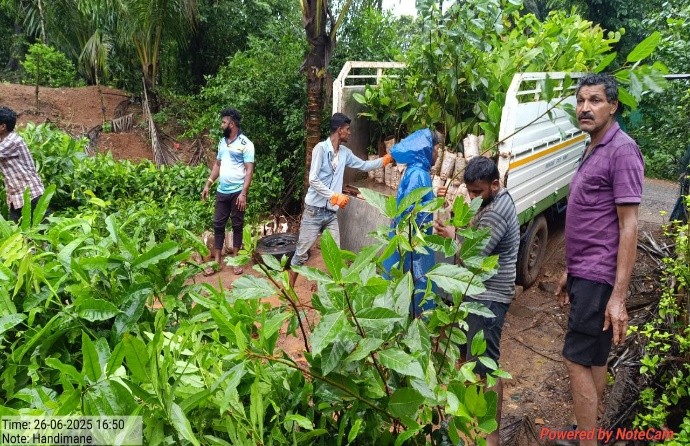
To address this setback, immediate corrective measures were taken, including replanting with hardier native and site-adapted species. Additionally, 6,000 saplings were planted across various sites to maintain stocking density and achieve the desired survival rates.
Following the successful plantation of 120,450 saplings in Sirsi and 50,040 saplings in Sagar, sustained efforts have been made to ensure high survival rates and healthy establishment. Post-plantation monitoring, gap filling, and site-specific maintenance activities have been systematically implemented. The work has been carried out in two phases:
● Phase 1 (2024–25): Replanting and aftercare in previously planted sites.
● Phase 2 (2025–26): Maintenance of newly planted areas following the monsoon season.
Monitoring was conducted across both earlier plantation sites and newly established areas (2025–26). Activities included assessing sapling survival, health, and growth, as well as identifying gaps requiring replanting. Replanting was carried out wherever necessary.
Fertilizer application and earthing-up operations have been implemented across all sites, including those from the previous year, and will continue until all newly planted (Phase 2) sites are fully covered. Systematic and standardized data collection protocols were adopted to ensure that the data gathered is accurate, replicable, and suitable for long-term ecological assessment.
2. Biodiversity Conservation and Mangrove Plantations Phase II
Project Title:Biodiversity Conservation and Mangrove Plantations Phase II
Funding Agency: Himalaya Wellness Company, Makali, Tumkur Road, Bangalore
Total Budget:INR. 15,49,080.00
Project Period: April 01st, 2025, to September 30th, 2026
PI: Dr. Narasimha Hegde
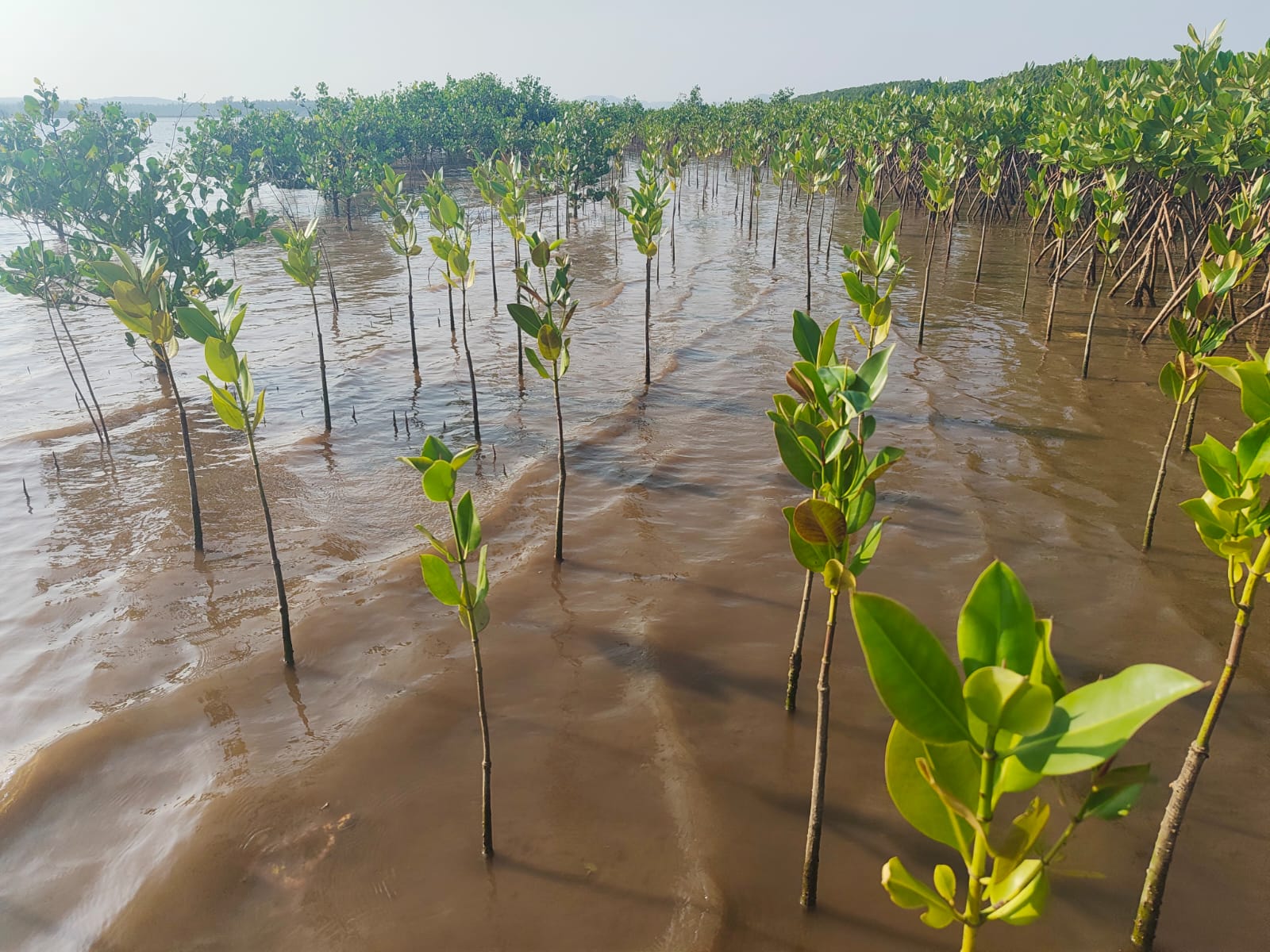
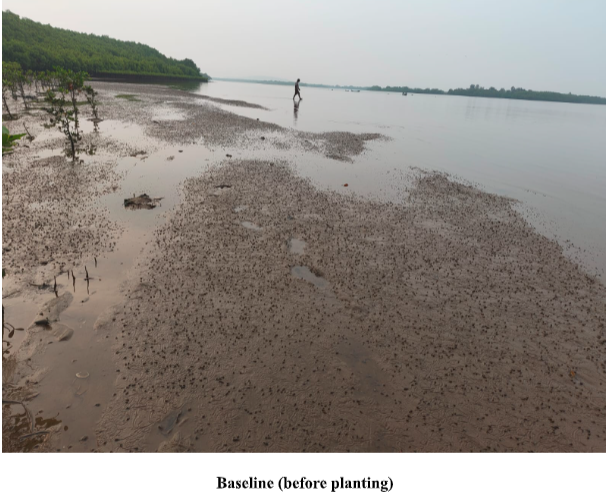
With support from Himalaya Wellness Company, Snehakunja Trust, Kasarakodu, initiated a mangrove restoration program in the Kumta and Honnavar regions of Uttara Kannada district, Karnataka. The initiative aims to restore degraded intertidal habitats, increase mangrove cover, strengthen coastal protection, enhance biodiversity, and improve ecosystem services that support local communities.
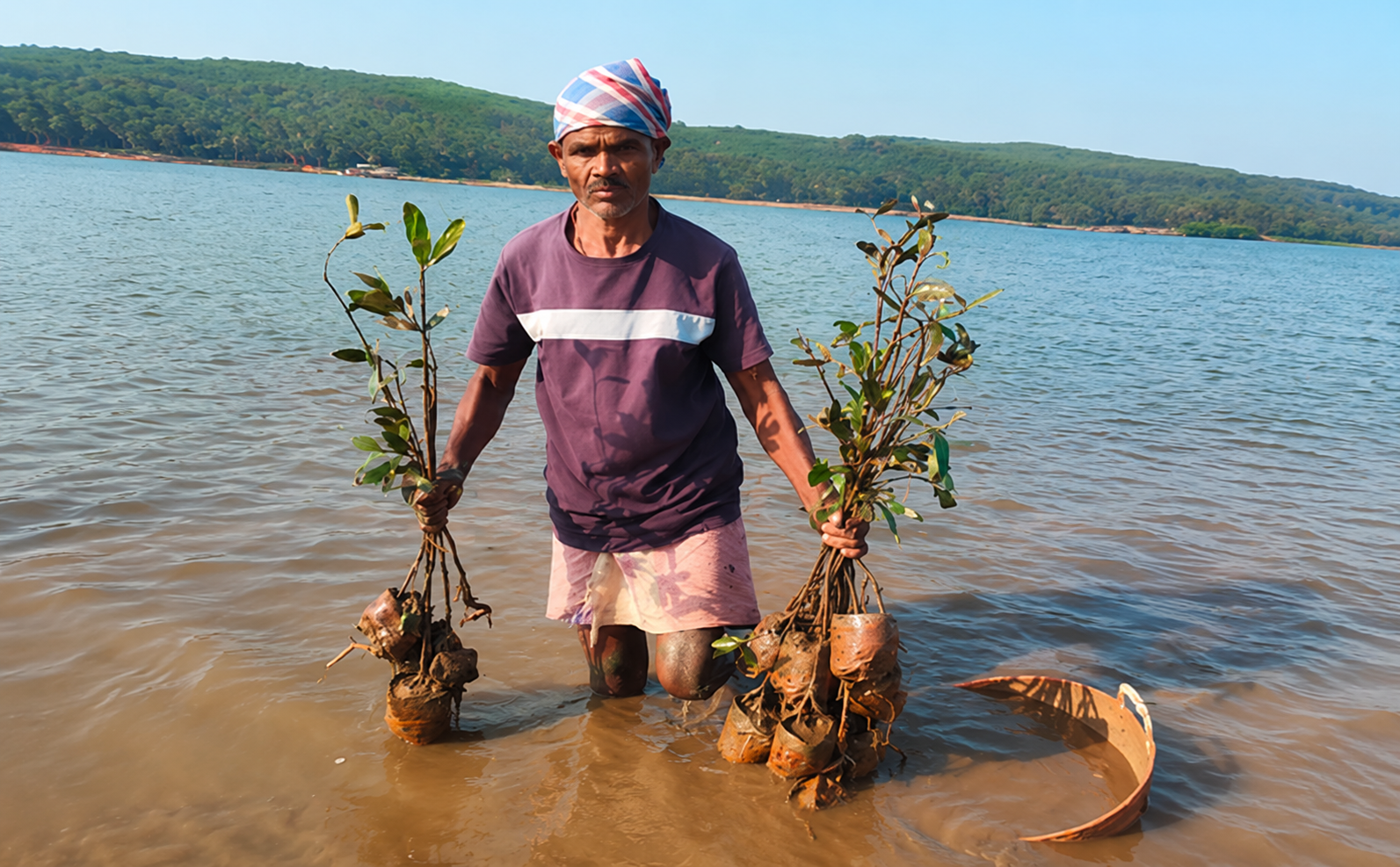
The nursery raised multiple mangrove species, including Avicennia officinalis, Avicennia marina, Rhizophora apiculata, Rhizophora mucronata, Bruguiera cylindrica, Bruguiera gymnorrhiza, Sonneratia alba, Sonneratia caseolaris, and Kandelia candel.
Propagules and seeds were collected from healthy natural stands during appropriate fruiting seasons to ensure high viability and successful germination. Nursery activities began in May 2025, with propagules sown in silt-filled polybags according to species-specific fruiting periods, promoting healthy seedling development. Plantation was carried out at two restoration sites, Savalkurve and Badagani, based on site-specific ecological conditions and tidal patterns. A total of 67,550 mangrove saplings were planted, of which 62,550 were established at Savalkurve, making it the primary and more diverse restoration site.
3. Biodiversity Conservation and Tree Plantation
Project Title: Biodiversity Conservation and Tree Plantation
Funding Agency: Himalaya Wellness Company, Makali, Tumkur Road, Bangalore–562162
Total Budget:INR Rs.1,48,72,180.00
Project Period: May 1st, 2024 to March 31st, 2026.
PI: Dr. Narasimha Hegde
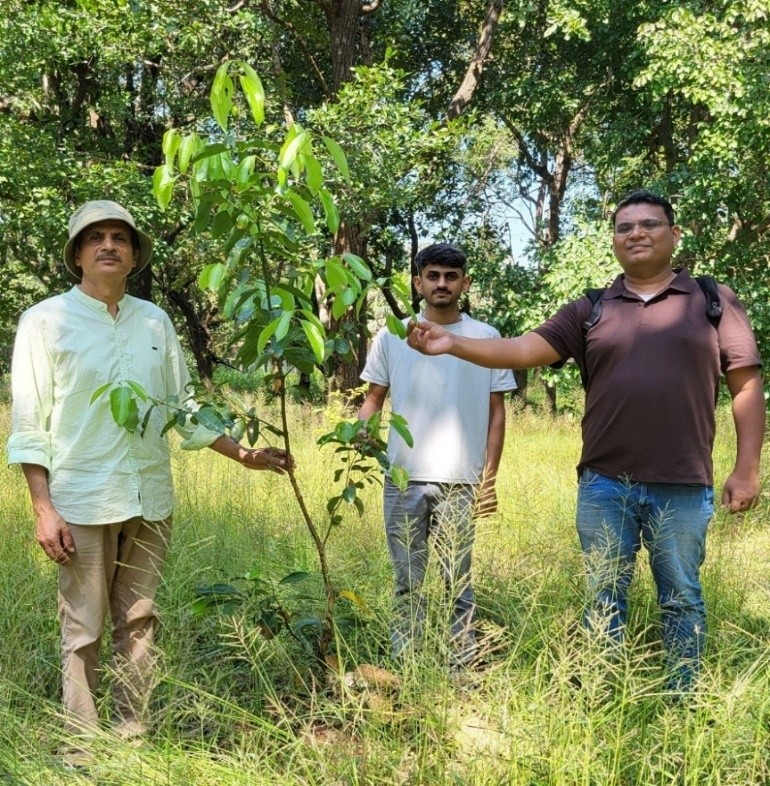
Snehakunja, an organization with over five decades of experience in environmental conservation and community-based initiatives, is implementing the project “Biodiversity Conservation and Tree Plantation” with support from Himalaya Wellness, India. The project adopts an integrated, community-centric approach that combines ecological restoration with livelihood enhancement in the Western Ghats.
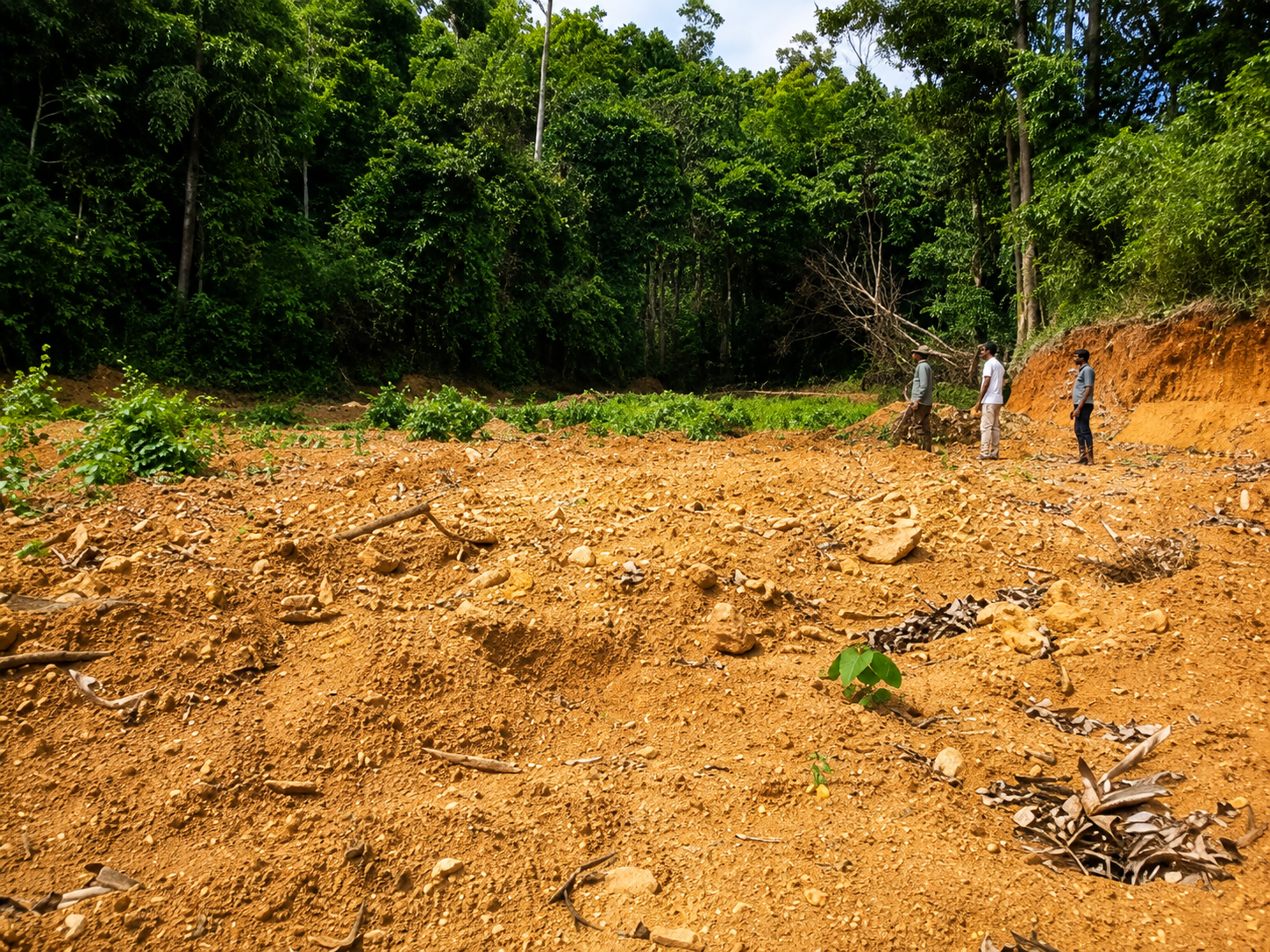
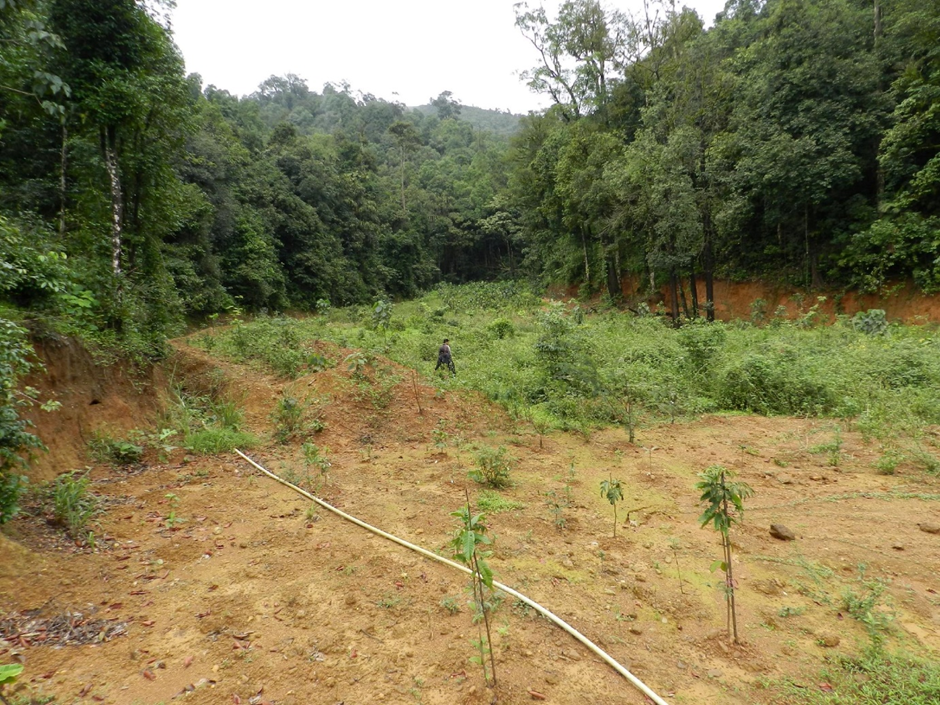
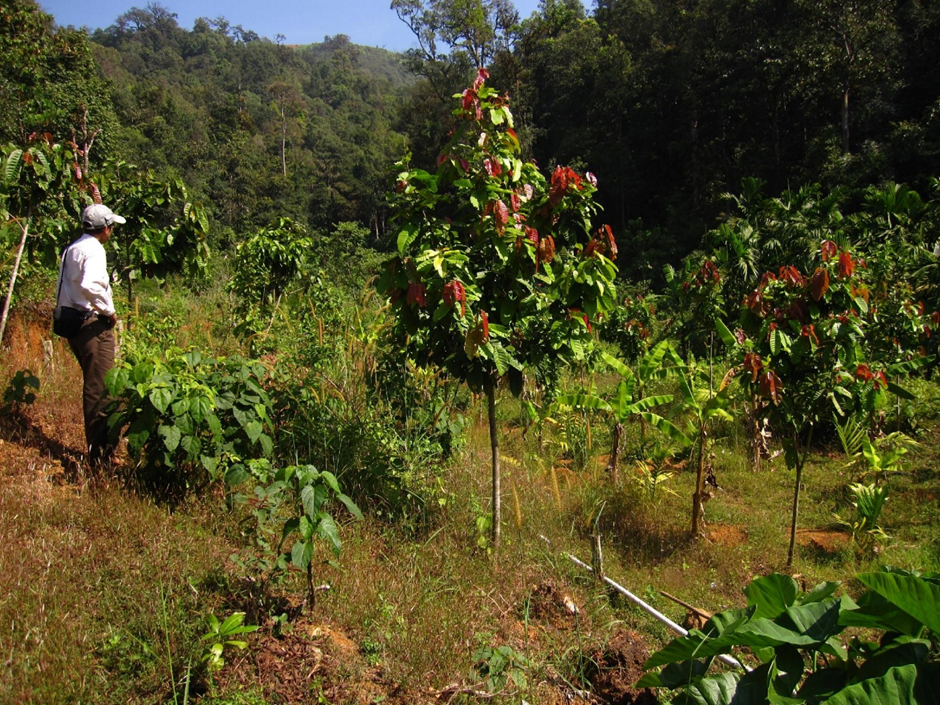
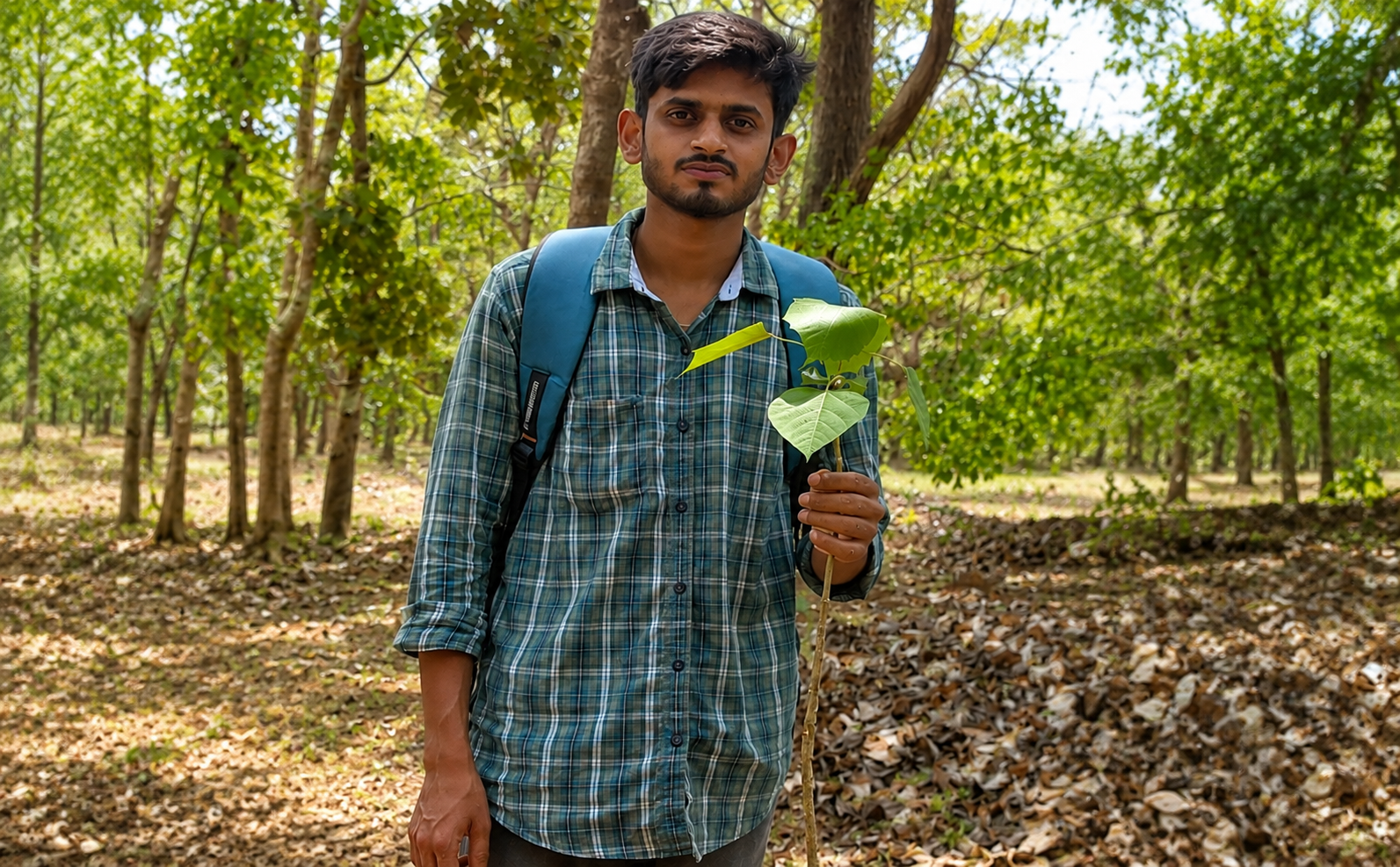
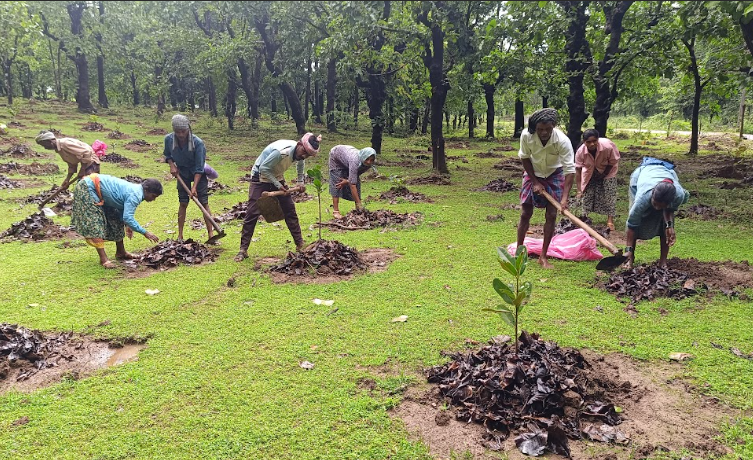
The initiative focuses on restoring degraded betta lands and adjoining forest areas through the plantation of native, endemic, and multifunctional species. Special emphasis is placed on Non-Timber Forest Product (NTFP) species and medicinal plants, recognizing their dual role in strengthening ecosystem health and supporting local livelihoods.
Species selection is aligned with traditional knowledge and community dependency patterns to ensure long-term sustainability. The project is being implemented in the Sirsi region of Uttara Kannada district, Karnataka, a biodiversity-rich landscape characterized by tropical evergreen and semi-evergreen forests, high rainfall, and a mosaic of forest, agricultural, and community-managed systems. This setting provides a strong foundation for demonstrating integrated restoration models.
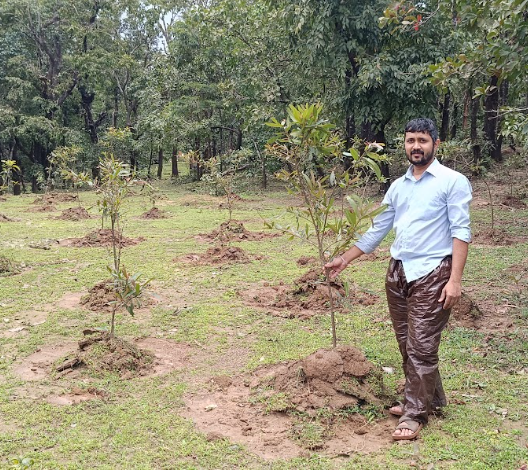
Key restoration activities include replanting in areas with low survival rates, resulting in an overall plant survival rate of approximately 85–90%. Post-planting interventions such as fertilizer application, earthing-up, and mulching have been carried out to enhance soil fertility, reduce erosion, and improve moisture retention. In slope-prone areas like Banagere and Sampegadde, repeated earthing-up was undertaken to mitigate runoff-related challenges.
To ensure effective monitoring and evaluation, standardized 10 m × 10 m permanent sampling plots have been established and geo-referenced. These plots facilitate ongoing assessment of plant growth parameters, including height, girth, and canopy development.
Overall, the project demonstrates a balanced approach to ecological restoration and livelihood support, contributing to biodiversity conservation while strengthening the resilience of local communities in the Western Ghats.
4. Biodiversity Conservation and Mangrove Plantations
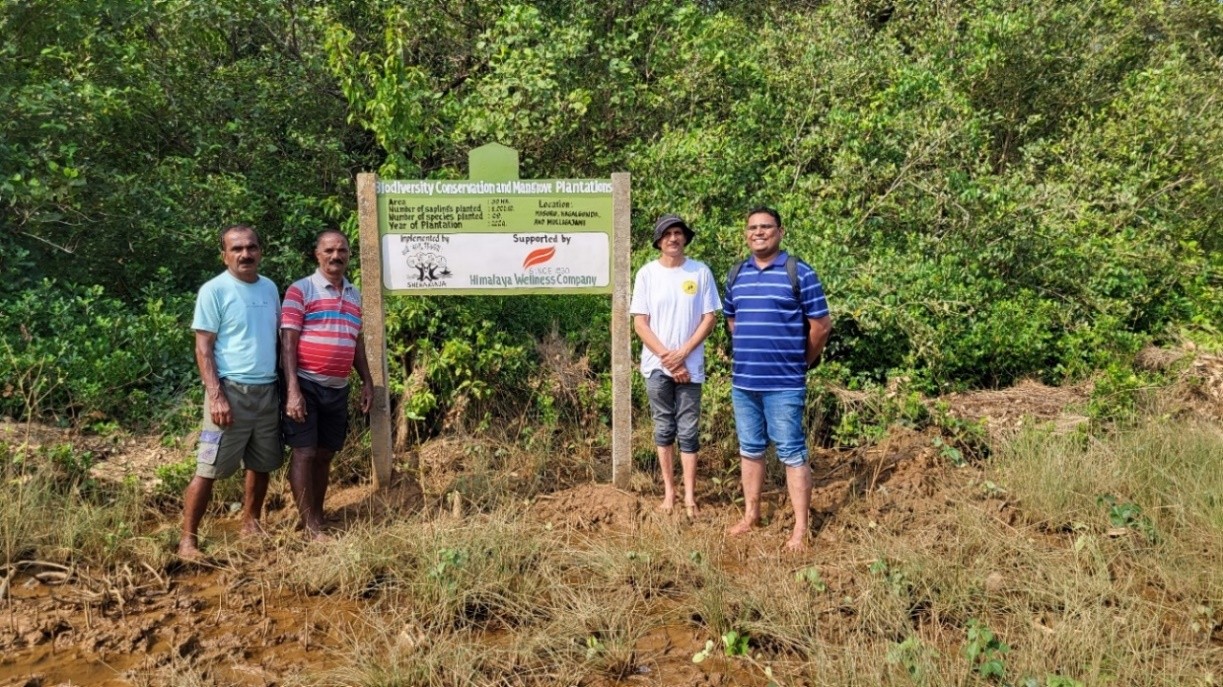
Project Title: Biodiversity Conservation and Mangrove Plantations
Funding Agency: Himalaya Wellness Company, Makali, Tumkur Road, Bangalore
Total Budget: INR. 26,28,105.00
Project Period: May 01st, 2024, to March 31st, 2026
PI: Dr. Narasimha Hegde
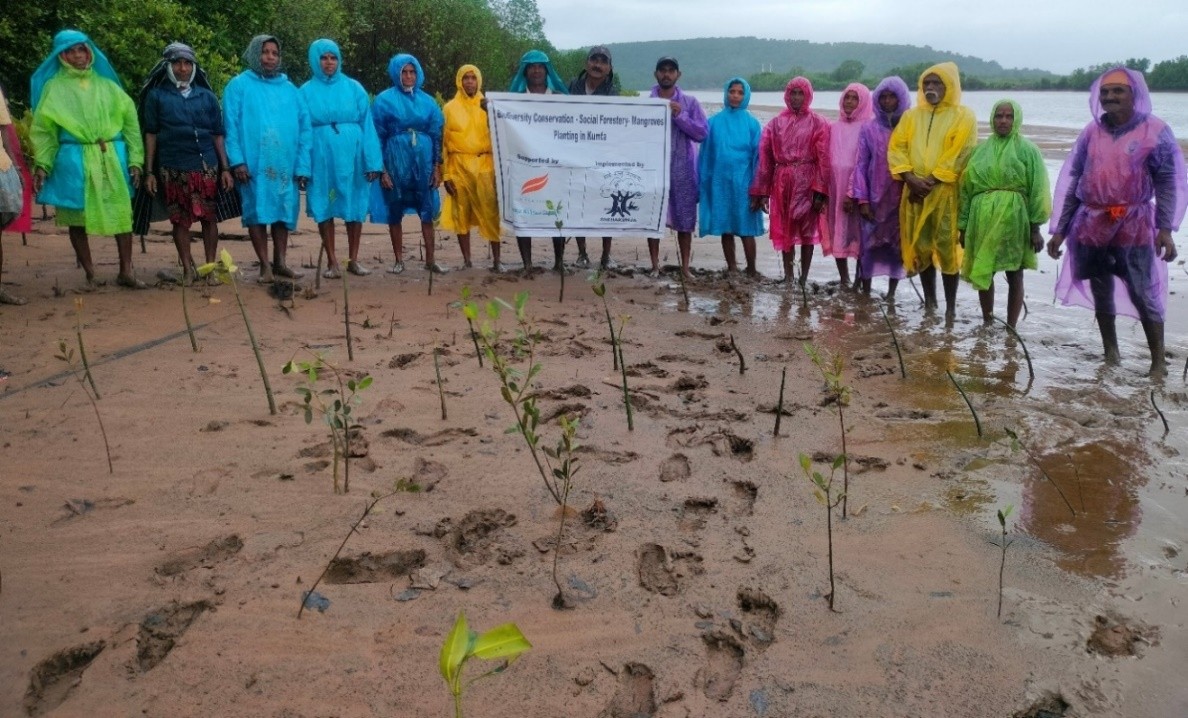
The Snehakunja Trust, with support from Himalaya Wellness Company, carried out a mangrove restoration project along the Aghanashini River in 2024, in the Kumta region of Uttara Kannada district. The initiative focused on conserving and restoring mangroves using standard ecological protocols.
Plantation began in early August across three estuarine locations—Kagalgunda, Mulligajani, and Musuru. Before planting, key environmental factors such as salinity, land elevation, and tidal flow were carefully assessed. These considerations helped in selecting appropriate mangrove species for each site, improving their chances of survival and growth in specific microhabitats.
The planted area has been mapped using GPS, and will be further organized using GIS technology into grid systems. Within these grids, permanent sample plots of 10 m × 10 m will be established for monitoring. Regular assessments of plant survival and growth will be conducted using tools such as a vernier calliper and measuring tape.
To estimate biomass and carbon sequestration, data were collected from three sapling plots, each measuring 10 m × 10 m. in each planting site at Kagalgunda, Mulligajani, and Masuru. Within each plot, all saplings were recorded.
5. Ecological restoration of Tropical Freshwater Swamp Forests and long-term protection, Central Western Ghats
Project Title: Ecological restoration of Tropical Freshwater Swamp Forests and long-term protection, Central Western Ghats
Funding Agency: The Habitat Trusts, 806, Siddhartha, 96, Nehru Place, New Delhi-110019
Total Budget: INR Rs. 31,51,380.00
Project Period: May 2024 to September 2025
PI:Dr. Narasimha Hegde
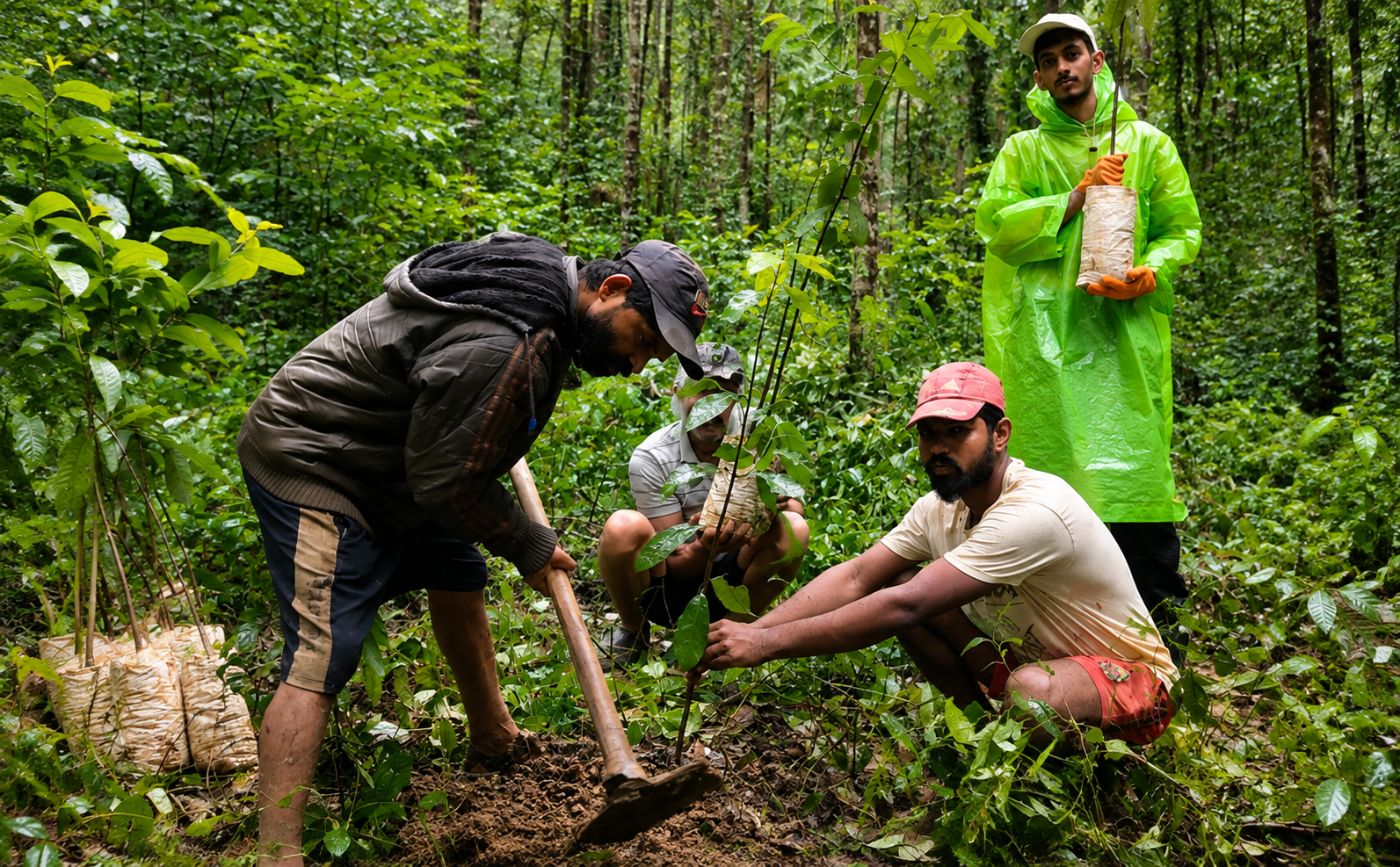
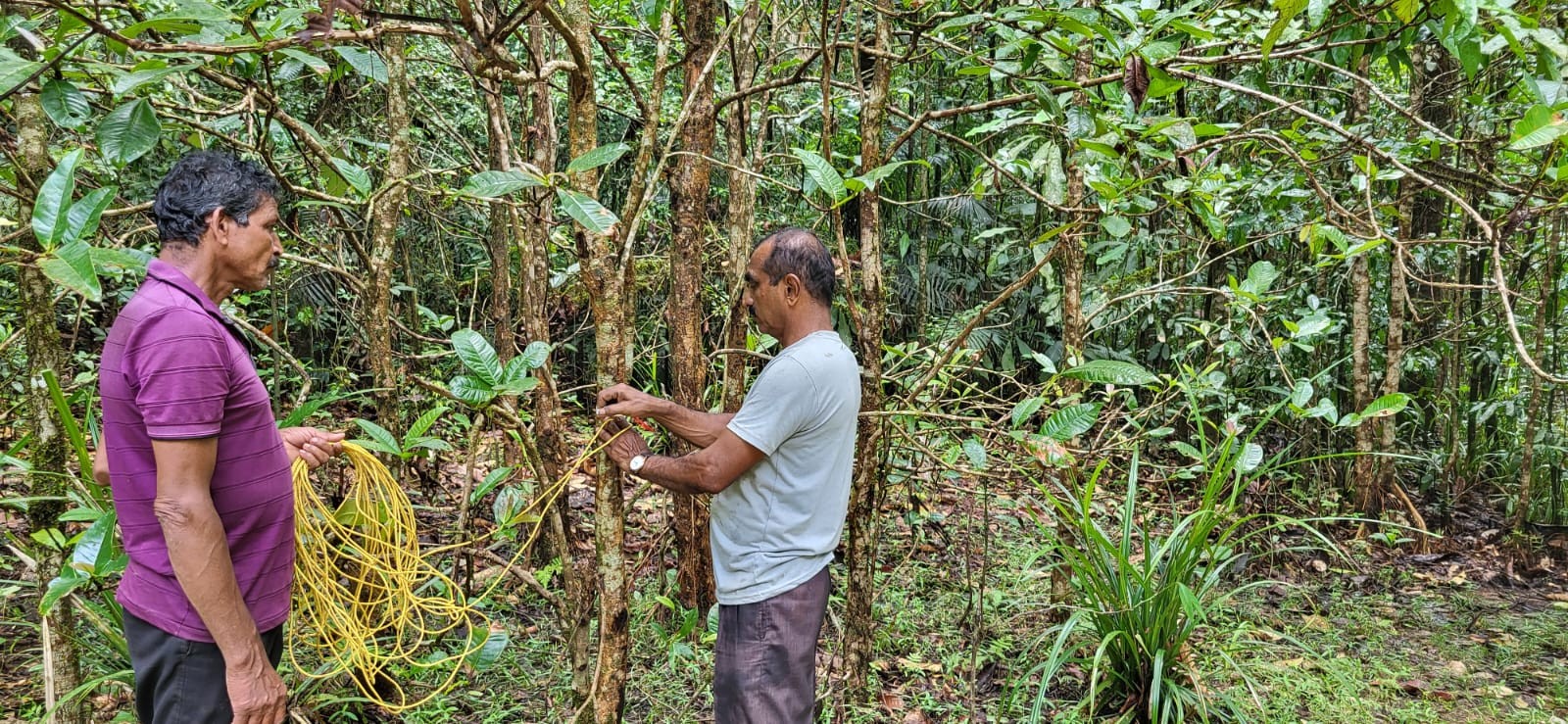
Exploration of new swamp areas was carried out through field surveys and active engagement with local communities. Predictive modelling was also used to identify potential Myristica swamps (TFSFs) by analyzing key environmental factors such as geography, elevation, hydrology, vegetation, and land use. By integrating field observations with remote sensing data, a total of 32 new swamp sites were identified and mapped across Karnataka—11 in Uttara Kannada, 7 in Kodagu, 8 in Shivamogga, and 2 each in Dakshin Kannada, Udupi, and Chikmagalur.
A comprehensive ecological assessment of these sites led to the development of a species checklist, categorizing plants into obligatory swamp species, associated species, and evergreen species. Analysis revealed that larger swamp areas do not always correspond to higher biomass or density. Medium-sized swamps can show high biomass concentration, while some larger areas remain sparse. Mature, natural swamps are structurally more developed, whereas restored sites are still in early stages with lower basal area and density. Old-growth swamps such as Hasolli and Katlekan are especially important for biodiversity and carbon storage and should be prioritized for conservation.
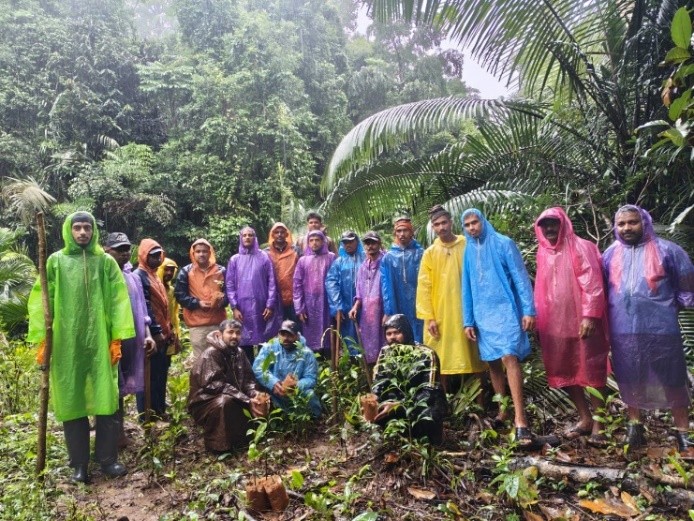
The nursery raised 21 plant species, including 7 obligatory TFSF species, with seeds sourced from multiple locations. A total of 9,950 plants were grown. Moving forward, prioritized swamp sites will be mapped at the micro-catchment level to identify areas suitable for restoration and guide future conservation efforts.
6. Lake Rejuvenation & Tree Plantation Project at Byappanakunte Lake, Bangalore South
Project Title: Lake Rejuvenation & Tree Plantation Project at Byappanakunte Lake, Bangalore South
Funding Agency: Target Corporation India Pvt Ltd through CAF America
Total Budget:Approx. INR Rs. 22,36,412.70 (US$ 27273.33)
Project Period:July 2023
PI: Dr. Narasimha Hegde
Snehakunja aims to improve the scope of biodiversity development in Byappanakunte Lake in Bangalore district of Karnataka in India. The lake is spread over around 4 acres, Kanakapura road, Bangalore. Around 8-10 years back, BBMP had developed this lake. They de-silted the walk paths and fenced the area. Initially they had appointed one gardener and supported the project for 4 years. Due to negligence, lack of maintenance and no new restoration activities, this lake is now in a pathetic condition. The sewage water from around the area is getting into this lake. There is a strong stink in some parts of the lake due to sewage and other waste material. In some parts, the walk path is broken and the surrounding area doesn’t have enough trees or plantations. If left to its current situation, the lake and surrounding area would suffer further loss to its water and biodiversity. Bangalore citizens would lose one more lake.
Objectives:
● Ensure biodiversity plans are adequately adopted and implemented.
● The lake is cleaned and proper inlet and outlet pipes are built for diversion of water.
● Build proper infrastructure facilities around the lake, like benches and install solar lights.
● Citizens are engaged in rejuvenation of the lake and get a spot to rest and enjoy nature.
Cities occupy less than 2% of the landmass on earth but contribute to more than 75% of greenhouse gasses responsible for the rapid climate change that we witness with much dismay today. Studies have shown that small water bodies, including ponds and small lakes, low-order streams, ditches and springs, are the most numerous freshwater environments globally, and are critical for freshwater biodiversity and are increasingly recognised for their role in ecosystem service delivery as well as a solution against climate change.
Biodiversity is an outcome of an extremely complex ecosystem that is unique to planet earth and is a reflection of a sensitive interdependence of many species of flora and fauna. Human activity has a great influence on the status of biodiversity both locally and in distant places. For record, human induced climate change has so drastically reduced biodiversity that some studies show that the rate of destruction of thousands of species is 1000 times more than the natural course of species extinction. To know that this destruction has happened just in the last 50 years is alarming compared to how long it may have taken for the rich biodiversity of the world to evolve.
Cities and urban life choices have a major bearing on climate change. Urbanisation needs not necessarily lead to destruction of natural plant and animal life if the process of building a city can also protect habitats for biodiversity. Given the fact that climate change and biodiversity have a negative loop interconnectedness whereby climate change leads to biodiversity loss and loss of biodiversity further accentuates climate change, it is crucial for the creation of scalable models of urban biodiversity with active participation of urban residents. Snehakunja is proposing to take a combined approach of ecosystem planning and participatory democracy to improve the scope for biodiversity development in one lake - Byappanakunte Lake in Bangalore South.
7. Increasing income and improving risk resilience of small and marginal farmers in Karnataka and Gujarat
Project Title:Increasing income and improving risk resilience of small and marginal farmers in Karnataka and Gujarat
Funding Agency: Supraja Foundation
Total Budget:Approx. INR Rs. 60,00,000.00 (HKD 72992.70)
Project Period:February 2023 to September 2023
PI: Dr. Narasimha Hegde
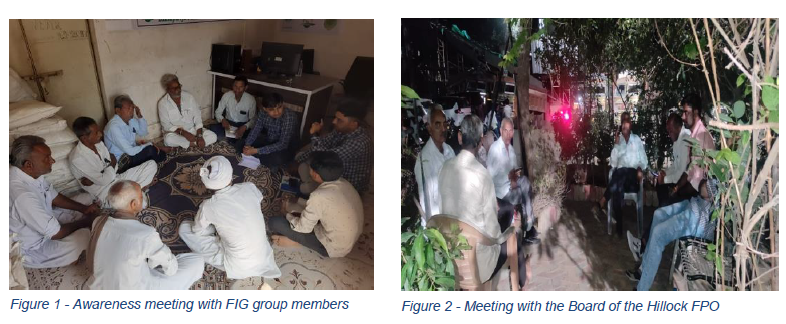
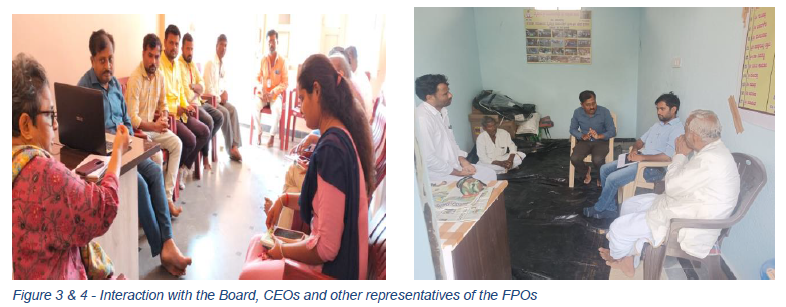
SKT started the process of appointing the right staff who would be able to assist the organization in achieving the goals of the project. Aruna Rangachar Pohl, the Expert -Strategic Development M&E, and Project Implementation Design, was nominated to be the Project Lead for the project, has a high level of qualification and experience, to ensure high-quality implementation of the project. Mr. Kuldip Dixit, Advisor Micro-Enterprise Development and DRE Intervention, a core team member and a native of Gujarat with FPO operations and enterprise development experience, was selected as State Lead-Gujarat for the project and Mr. Mallikarjun Patil, Advisor– Sustainable Agriculture, a core team member with FPO Operations and Sustainable Agriculture experience, was selected as the Lead-Sustainable Agriculture for the project. Ram Lakhnotra, District Coordinator for Gujarat and Lokappa, District Coordinator for Karnataka were recruited along with 4 Field Coordinators in Gujarat and 4 Field Coordinators in Karnataka during the months of February and March 2023. 2 Field Coordinators are yet to be recruited in Karnataka for 2 FPOs, which is in progress and anticipated to be completed by May 2023. The team was provided an induction about the project during their joining, and they have started conducting FIG awareness meetings regularly in coordination with District Coordinators in Gujarat and closely monitored by the State Lead. In Karnataka, due to the code of conduct being in place it is slightly delayed but will pick up the momentum once the elections are completed.
06 FPOs and 37 villages were identified in Amreli District. Gujarat to implement the project, baseline assessment was conducted at 4 FPOs and were completed and another 2 FPOs assessment is in progress. Out of 37 villages identified the baseline survey was done in 18 villages so far totalling to 565 baseline data entries as on date at Amreli District, Gujarat. In Karnataka it had to be stalled due code of conduct being in place for the upcoming state elections. The process to start following the elections.
A basic template for conducting the baseline assessment was developed, and the same was followed by the team. The respective District and Field Coordinators conducted the baseline survey meeting beneficiaries based on their availability & their cooperation. The baseline assessment collected the following information:
The baseline survey formats include these details: Name of the Farmer, Mother/Father/Husband/Spouse Name, FIG Name, Gender, Religion, Category, Age, Mobile No, Highest Education, Country State, Village, FPO Name, APL/BPL, BPL Number, Aadhar Number, Land Measurement Unit, Owned Land, Lease Land, Sharecropping, Total Farmland, Agri Labourer, Land Ownership Category, Major Crops, Kharif, Rabi, Variety, Farming Practices Natural/Convention/Both, Natural Farming Area, Irrigation Source, Irrigation Type, Value Addition Yes/No If Yes Please share the details brand name etc, Have Bank Account, Bank Name, Bank Branch, Bank Account Number, Bank IFSC Code, Active/Dormant Bank Account, Account Opening Date, Comments, Active/Inactive Date.
8. Drivers and Barriers of Dried Fish Consumption in Karnataka
Project Title: Drivers and Barriers of Dried Fish Consumption in Karnataka
Funding Agency: SSHRC, CANADA, University of Manitoba
Total Budget: Approx. INR Rs. 7,31,843 (CAD 12,230.00)
Project Period: October 2022 to September 2023
PI: Dr. Ramachandra Bhatta
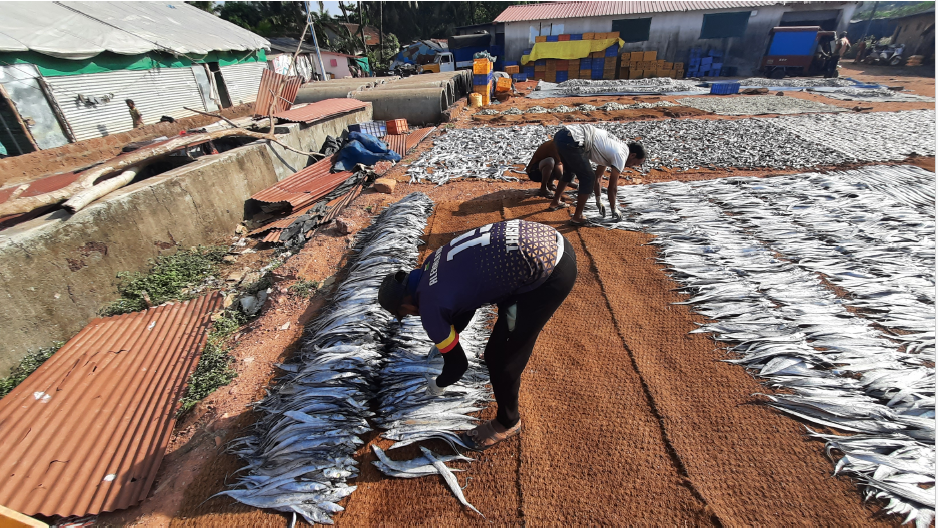
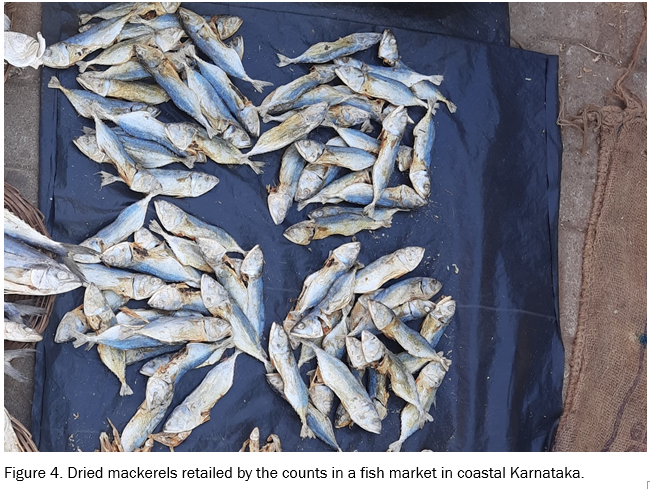
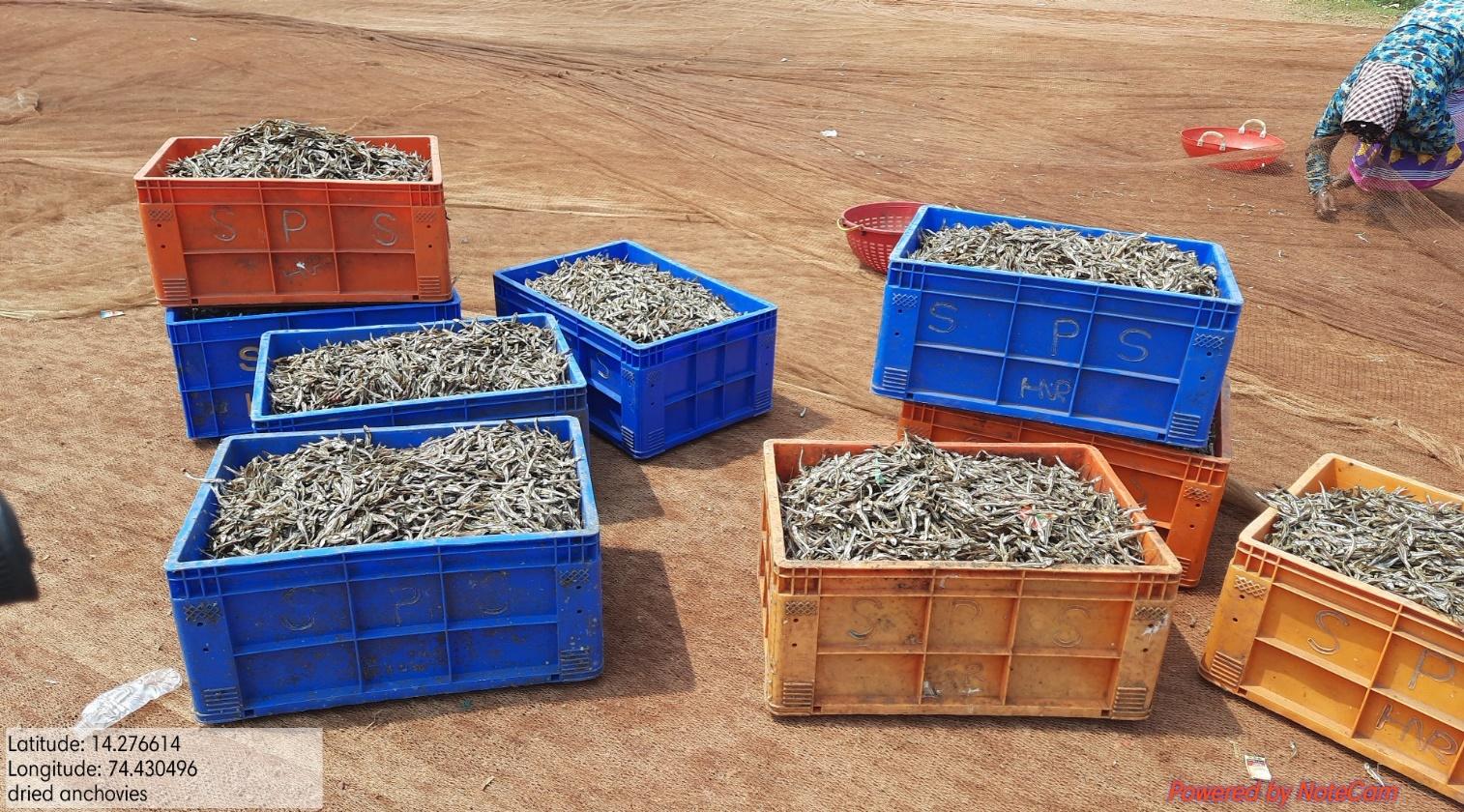
With support from SSHRC and University of Manitoba, Canada, the Trust has been conducting research into the dried fish markets of Karnataka. This is one of the very few studies ever to be conducted on the state’s dried fish value chain. In the first stage, the processing and marketing aspects of Karnataka’s dried fish market were studied in detail. Many outputs have been delivered from the works conducted in the first stage. Two conferences were held, one in Mangaluru (16th July 2022) and the other in Karawara (15th November 2022) to disseminate the findings of the project to the stakeholders (fishers, government officials, policymakers etc.). A presentation of the findings was made to the larger community through a webinar on 22nd June 2022, and through a presentation on 21st November 2022 at the 8th Gender in Aquaculture and Fisheries Conference held in Kochi.
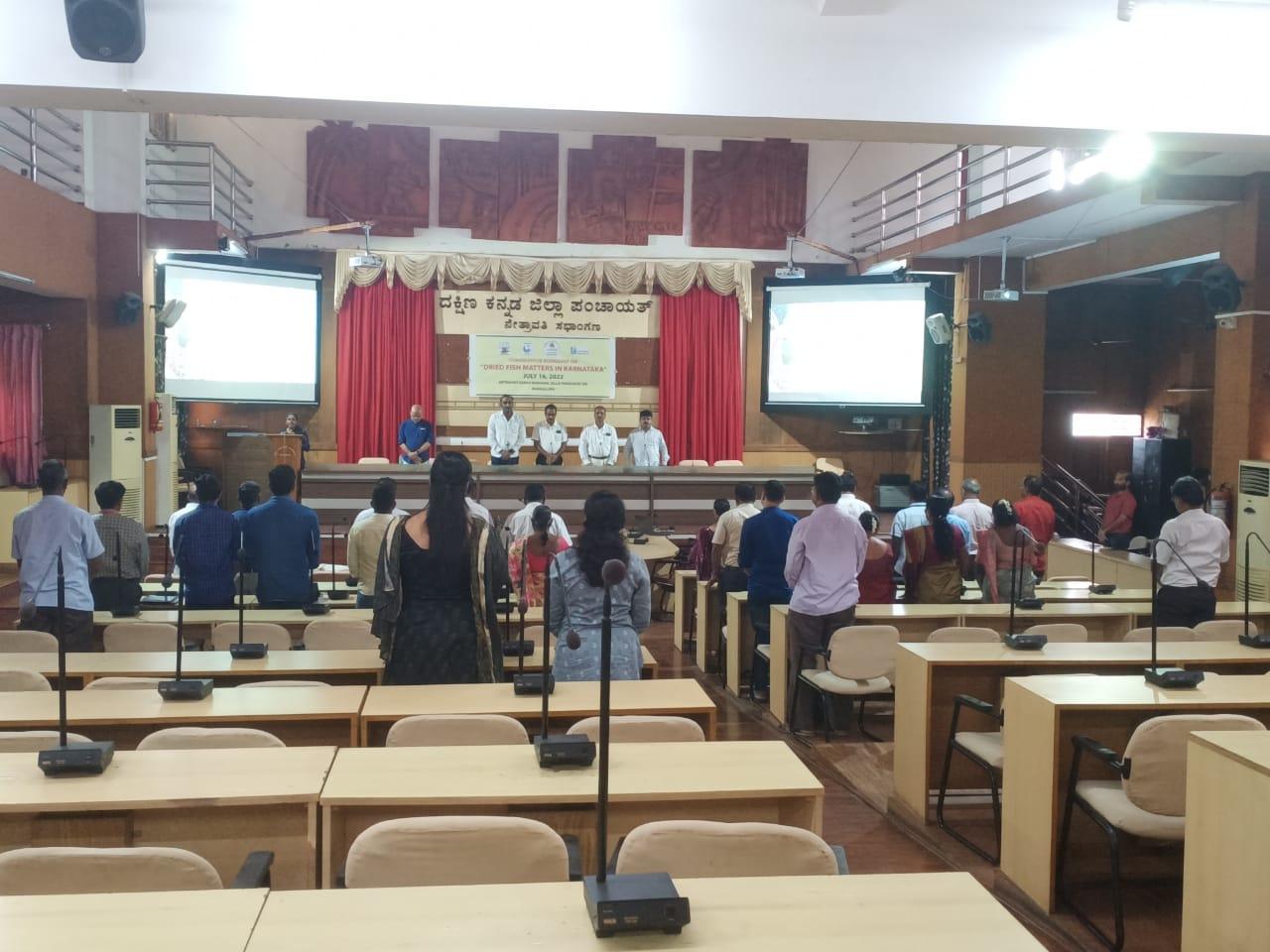
Workshop conducted on Dried Fish Value Chain of Karnataka, held at the Dakshina Kannada Jilla Panchayat Meeting Hall in Mangaluru on 16th July 2022.
A research article has been published in the journal Reviews in Fish Biology and Fisheries, based on the work conducted under this project. Three reports have been submitted to the donor organization. The Trust has been entrusted with conducting the second stage of the project which deals with understanding the consumers and the consumption of dried fish in Karnataka. The Trust is gearing up for conducting fieldwork in the second stage.
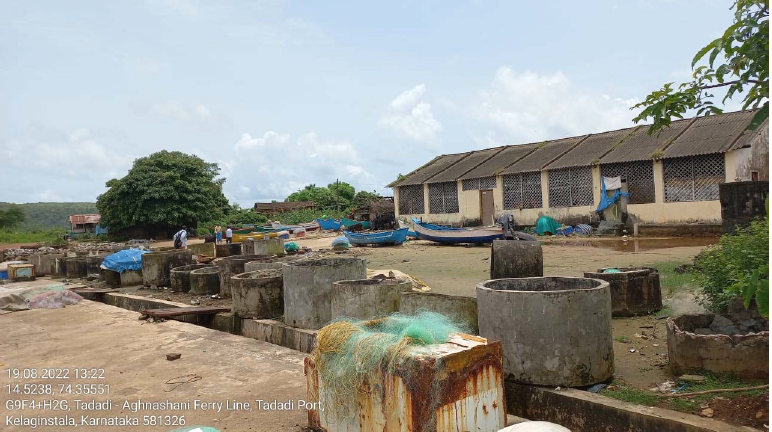
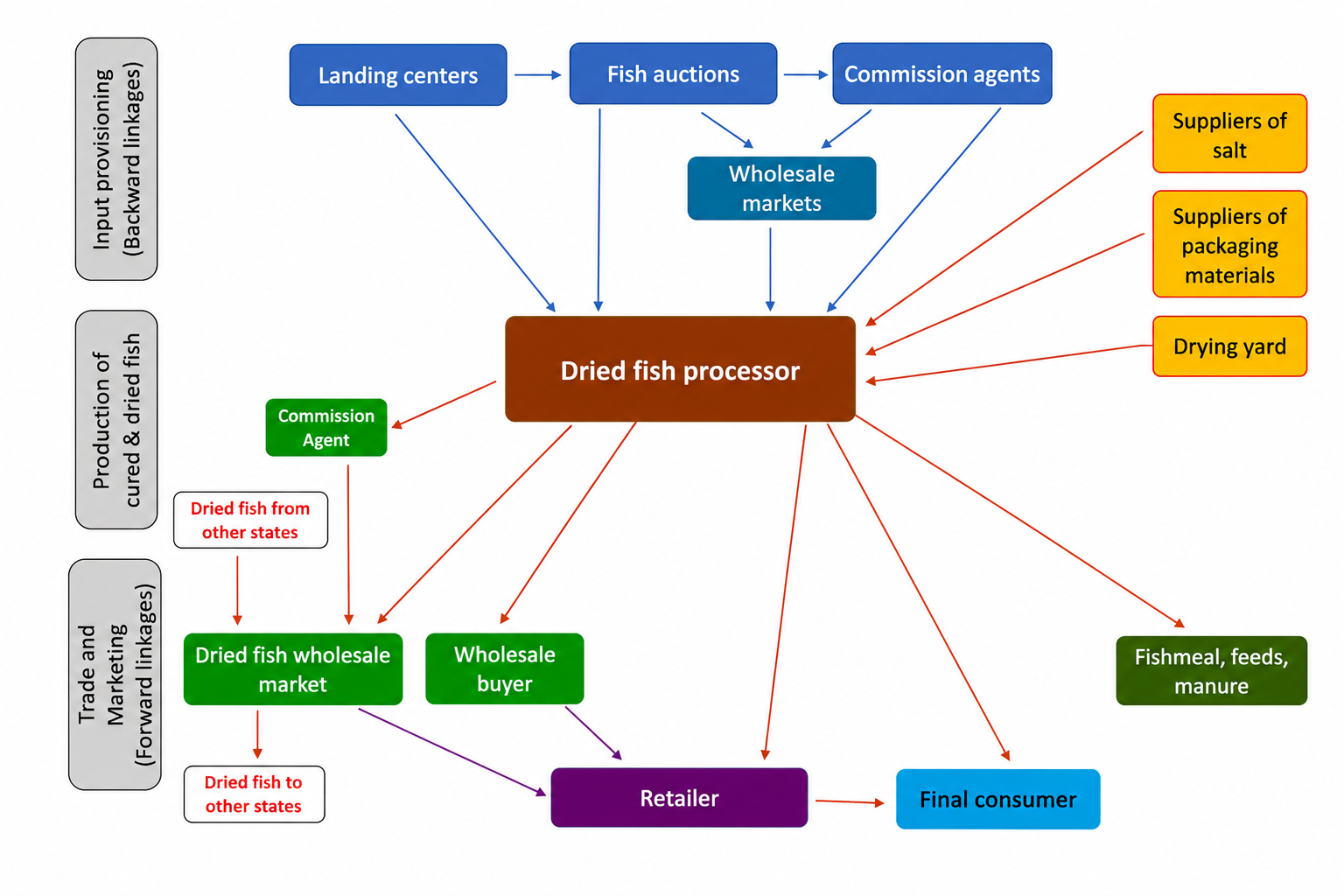
This scoping study is the only detailed study on Karnataka’s dried fish markets. The present study maps the flow of dried fish products from the landing centers in the coast to the final consumers in the coastal and hinterlands of Karnataka. The dried fish markets of Karnataka encompass the coastal production and processing markets from where dried products move to wholesale markets and then to retail markets before reaching the final consumer. The production market is dominated by women processors. Women from fisher communities of coastal Karnataka manage the processing of dried fish in most cases, whereas the physical labor (as explained in section 4.2.7) is performed by women migrants from northern districts of Karnataka. Compared to a decade ago, there has been substantial decline in the number of dried fish processors. The Mangaluru wholesale dried fish market is the largest market in the State that acts as the focal point for collection of dried products from not only the harbors along the Karnataka coast, but also from Lakshadweep, Gujarat and Maharashtra. Most hinterland markets depend on the Mangaluru wholesale market for procurement of dried fish. Retailers in hinterland markets often act as distributors or wholesalers of dried fish, selling the products to the final consumers, as well as to vendors who take the products further along the supply chain to interior and rural markets. These vendors are an important link in the dried fish supply chain.
On the academic side, there is limited research on the value chain, gendered roles in processing and marketing, the magnitude of the economy of dried fish processing and trading, and the socio-ecological and geographical aspects of dried fish. Also, the culinary aspects, consumption preferences by communities, nutritional values and importance are among the many aspects of neglected areas in dried fish research. Most of the studies on new technologies of fish drying are based on laboratory-scale systems that overlook frugal technologies used by communities and therefore risk undermining them. Inadequate quality of dried fish is a major hindrance attributable to poor hygiene and sanitation practices prevalent among processors in traditional fish drying operations. Academic studies need to identify the underlying causes for guiding policy and actions. These social, economic, ecological, and technological insights could help improve the acceptability of dried fish among consumers in terms of perception of food safety and quality. More attention is also needed to the subsistence dried fish segment for own consumption by households especially in fishing villages around beach landing centers. This subsistence production caters directly the food and nutritional needs. Hence, the actual and potential contributions of dried fish consumption in terms of food and nutritional security and health impacts need to be analyzed in greater detail.
9. Wetland Habitat Restoration
Project Title:Wetland Habitat Restoration
Funding Agency: Handprint Tech Pte. Ltd.
Total Budget:Approx. INR Rs. 17,20,882.00 (US$21084)
Project Period: September 2022 to September 2023.
PI: Mr. Narasimha Hegde
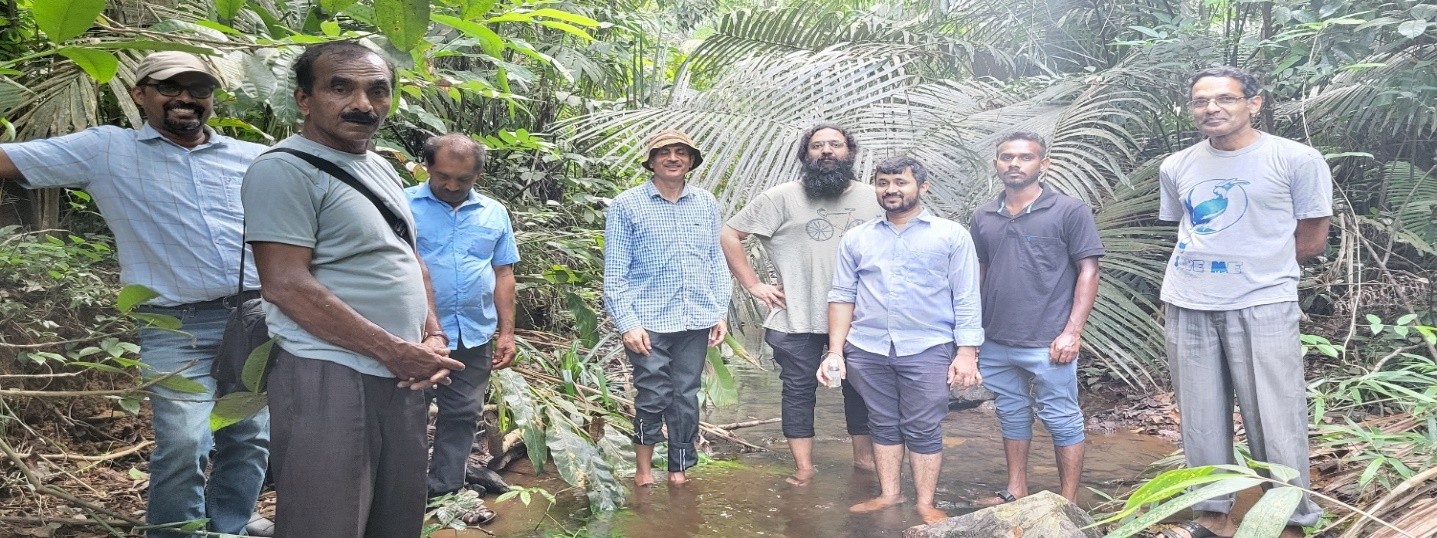
The species, adapted to the specific conditions of swamp ecosystems, play vital roles in maintaining the health and balance of these fragile habitats. However, due to various anthropogenic pressures and habitat degradation, many of these species face threats of decline and extinction.
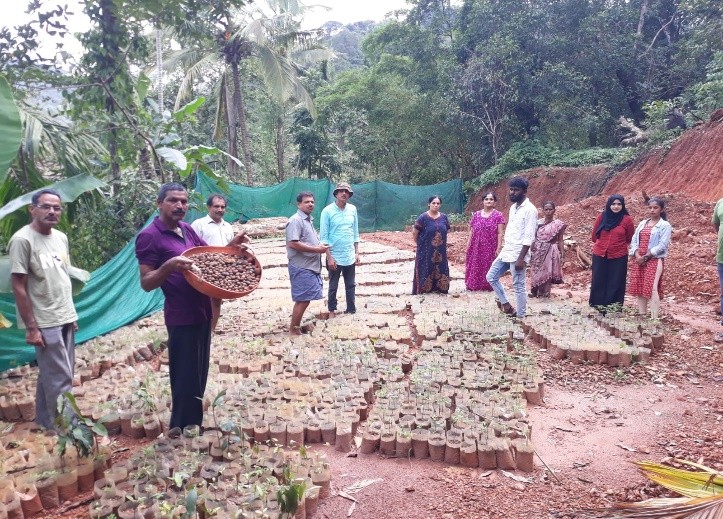
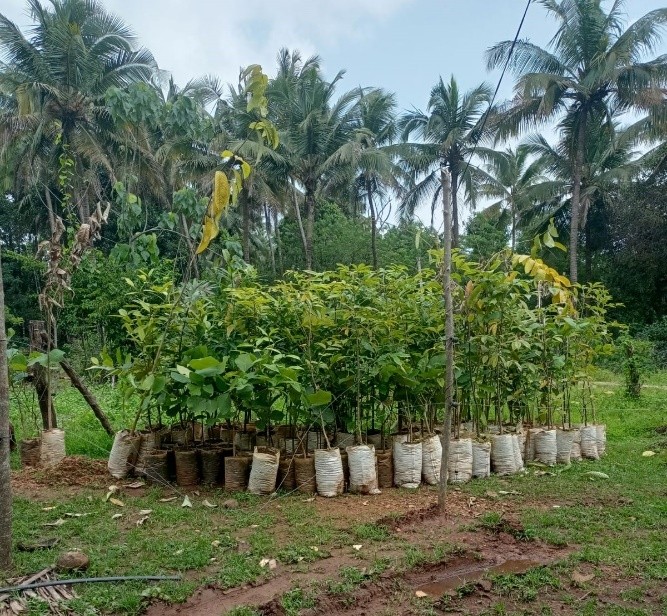
To mitigate the loss of biodiversity and conserve these invaluable freshwater swamp ecosystems, it becomes imperative to understand and implement effective nursery and propagation techniques for the cultivation of swamp species. By establishing nurseries and propagating these species under controlled conditions, we can not only supplement natural populations but also support habitat restoration and conservation efforts.
This report aims to provide an in-depth exploration of nursery and propagation techniques tailored specifically for freshwater swamp species of the Western Ghats. Through an examination of best practices, challenges, and case studies, we seek to empower conservation practitioners and researchers with the knowledge and tools necessary to conserve and restore these vital ecosystems.
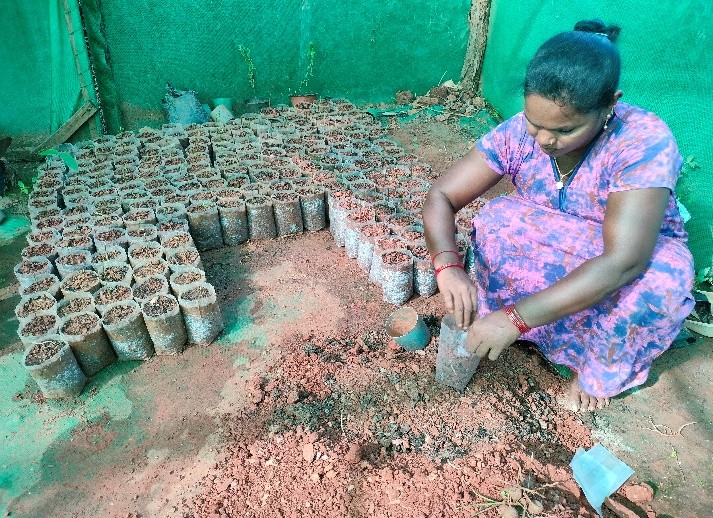
Wildlings were watered regularly to keep the soil moist but not waterlogged. They were also provided with appropriate shading to protect them from harsh sunlight and ensure optimal growth conditions.
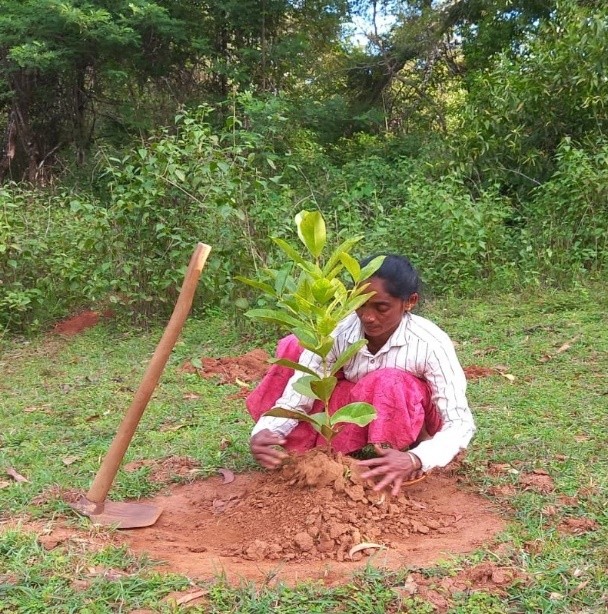
As the saplings/wildlings grew, they were gradually exposed to outdoor conditions to acclimatize them to natural environmental factors like wind and sunlight. This process, known as hardening off, helps prepare the wildlings for eventual transplantation into the forest or other planting sites.
10. The India Biochar and Bio-resources Network
Project Title:The India Biochar and Bio-resources Network
Funding Agency: Deutsche Gesellschaft für Internationale Zusammenarbeit (GIZ)GmbH
Total Budget: INR Rs.26, 78, 804.00 (EUR 31811.83)
Project Period: Dec 2021 to Feb 2022
PI:Mr. Narasimha Hegde
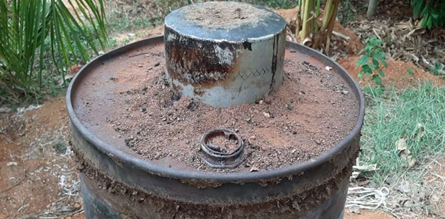
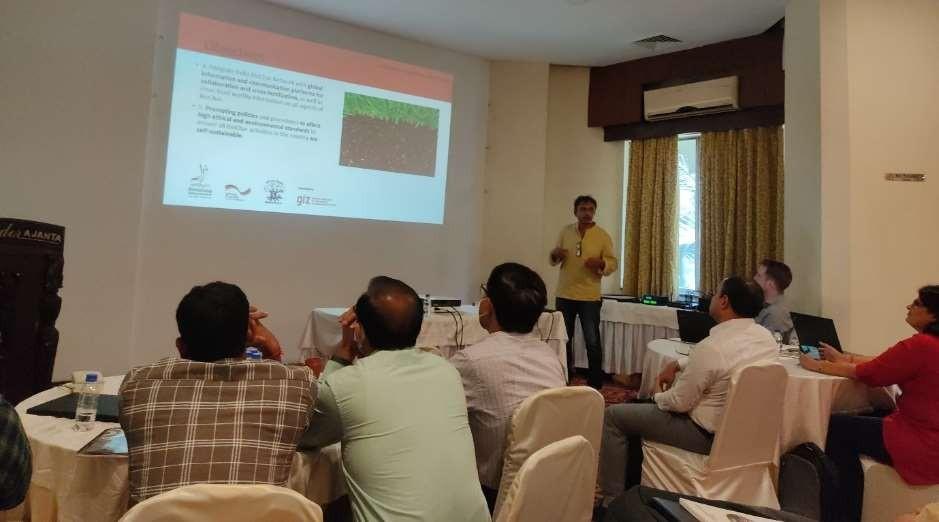
With support from GIZ, the proposal from RRAN to create a national level impact on Bio char and Bio resources in India took a formal organisational form as IBBN, the India Biochar and Bio resources Network in February 2022. IBBN is the first of its kind network at the national level for the convergence of practice, science, and policies on sustainable use of farm residues and biomass to improve soil health and carbon sequestration in India. IBBN has its own website with a fully developed landing page and data for the other pages in its final stages. Emails have been created for the members of the small secretariat. A community primer has been created in Kannada and has been distributed among farmers and organizations in Karnataka. The primer is an introductory booklet to disseminate simple technology for Biochar production and improve soil health management.
IBBN has published reports on Biochar in India. It is titled Biochar application in agriculture, its production and scalability and is based on secondary data review and a meta-analysis of Biochar work in India and elsewhere. There has been an initial review of the existing body of work on research and practice of Biochar in India. Overall, the quality of work on the issue seems limited. While practitioners in the form of CSOs and farmers have been active for over two decades, they have been few and far between. Research studies and peer reviewed reports started about 12 to 15 years ago.
The IBBN secretariat participated in a multi-state conference organised by GIZ in Aurangabad. Dr. Kshithij Urs made a presentation on the need for a national network on Biochar and Bioresources. The presentation was widely appreciated by the participants for the contextual clarity of IBBN. It was also a good opportunity to network and identify collaborative possibilities with each of the attendees.
A day-long meeting was held in Bangalore on 28th May, with over 70 organizations in Karnataka discussing the various strategies to improve the incomes of farmers. There were five-panel discussions with three experts in each of these panels. The report of the event has been provided as a separate document.
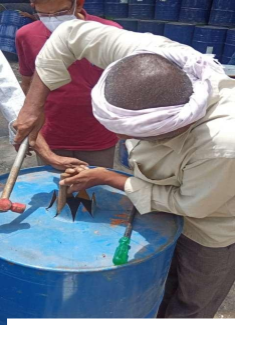
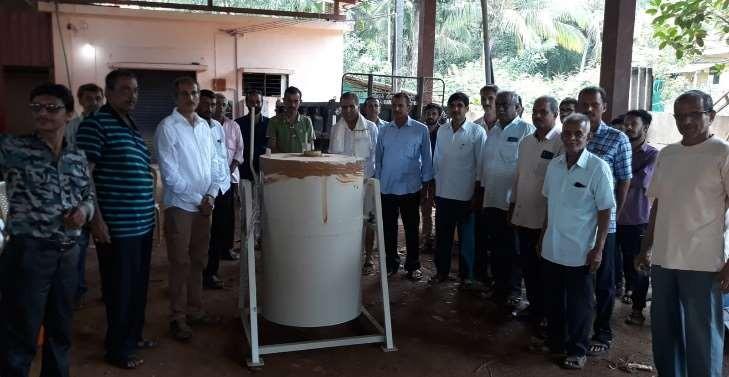
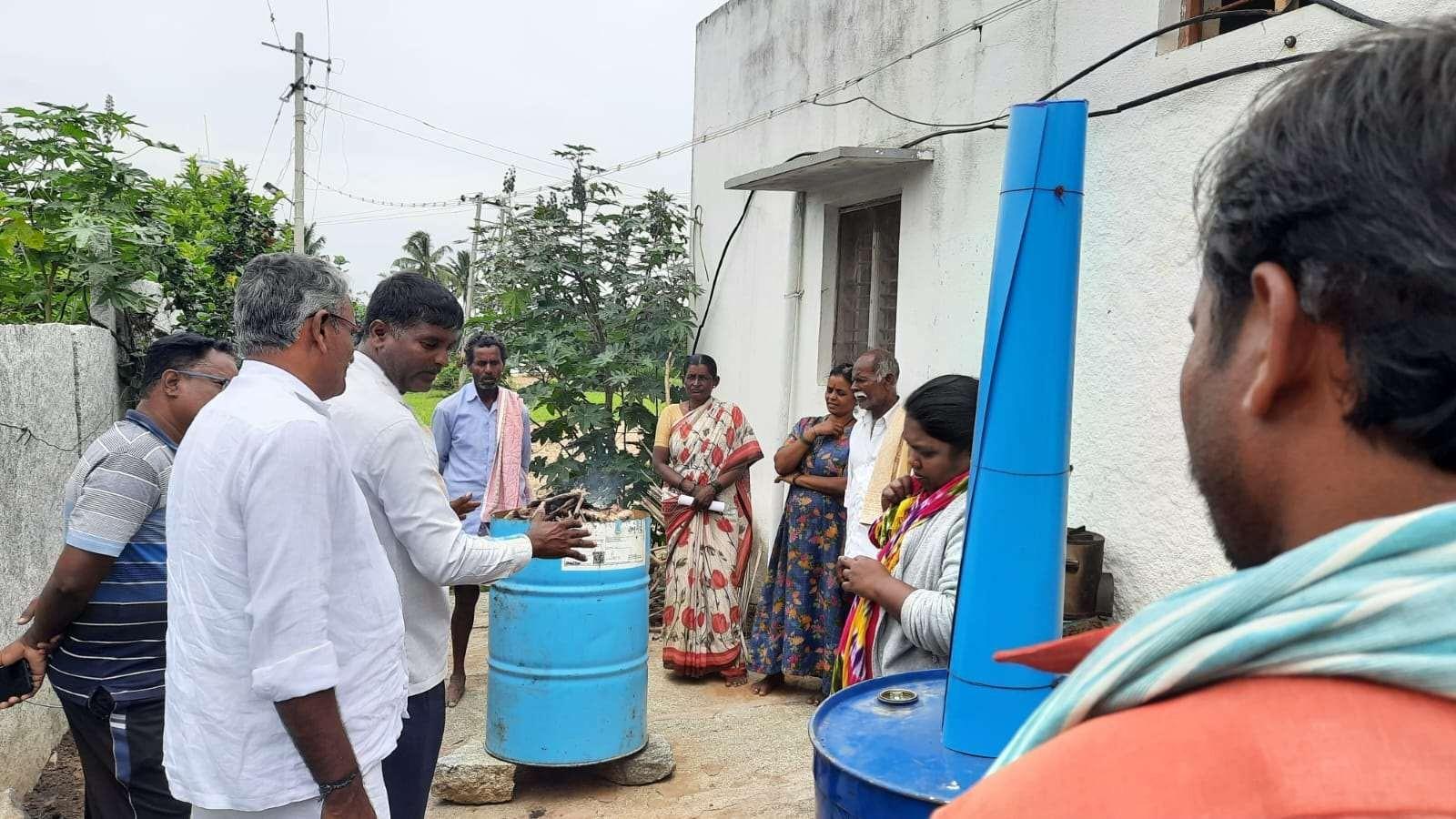
Initial steps have been taken on field schools on Biochar and Bioresources in the districts of Kolar, Uttar Kannada and Ramanagara in the South Indian state of Karnataka. The training program will be based on a peer-to-peer approach of farmers training other farmers and helping them produce and effectively use Biochar and manage Bioresources in their farms based on the principles of circularity in agriculture. Ten drum-based Biochar furnaces and one improvised drum furnace have been installed in the three districts. Training programs have already started in Uttar Kannada and Kolar. More than 100 farmers have participated in the training programs so far.
11. Ruptures and gendered adaptations of Social Economy of Small - Scale Fisheries of Indian Ocean Region Scoping study in Tamil Nadu and Karnataka
Project Title: SSRC Phase II- Ruptures and gendered adaptations of Social Economy of Small - Scale Fisheries of Indian Ocean Region Scoping study in Tamil Nadu and Karnataka
Funding Agency: Center for Poverty Analysis, 16 Jawatta Rd, Colombo 00500, Sri Lanka
Total Budget:US$ 13088 (INR: 981,600)
Project Period: 10th November 2021 to 30th August 2022
PI: Dr. Ramachandra Bhatta
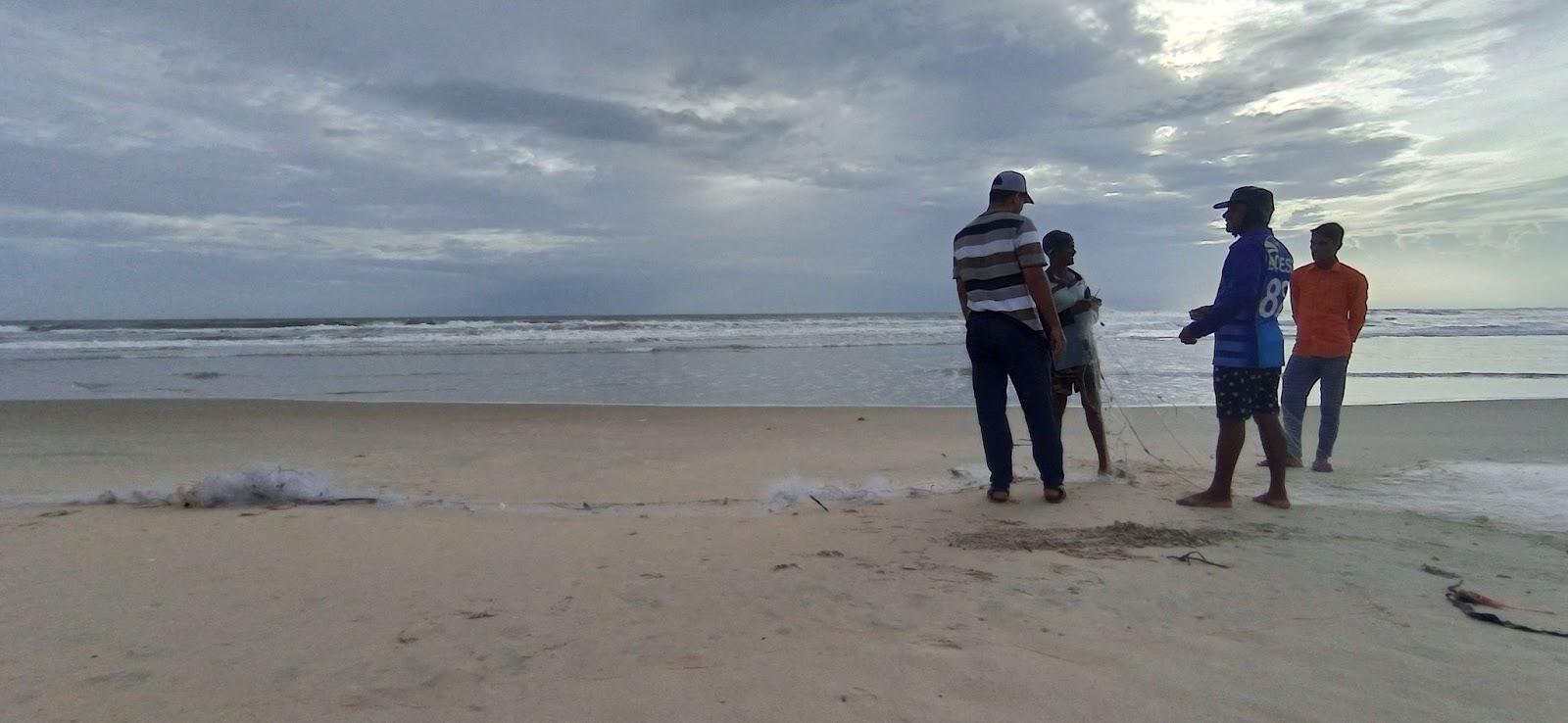
With funding support from Social Sciences and Humanities Research Board of Canada, the Trust has implemented a project on the socioeconomics of small-scale fisheries of coastal Karnataka. The goal of this project is to understand how small-scale fisheries of coastal Karnataka and their socioeconomic arrangements adapt to ruptures arising from anthropogenic stressors, such as the Blue Economy program. With Honnavara and Karwar as the focus, the project uses comparative case studies to understand the displacement of small-scale fish processors due to port expansion; and, rights of small-scale fishers for access and use of beach and other coastal resources. For the Honnavar and Karwar case studies, Snehakunja Trust has collaborated with Bengaluru-based Azim Premji Foundation. Fieldwork in this project has been completed, and outputs of the project include: a research article has been submitted to the journal Maritime Studies; a popular article has been submitted to The News Minute; an abstract has been submitted and accepted for presentation at The Centre for Maritime Research (MARE) Conference themed People & the Sea XII that will be held in Amsterdam; A chapter is being prepared for a larger article on Karnataka small-scale fisheries.
Fieldwork being conducted for collecting data as part of the SSHRC project at Tonka, Kasarakoda, Honnavara.
12. Beach Cleaning Programme
Project Title: International Clean-up programme – Beach Cleaning
Funding Agency: NCCR (National Centre for Coastal Research)
Total Budget:INR Rs.1, 16, 850.00
Project Period:20th and 25th September 2021
PI: Dr. Ramachandra Bhatta
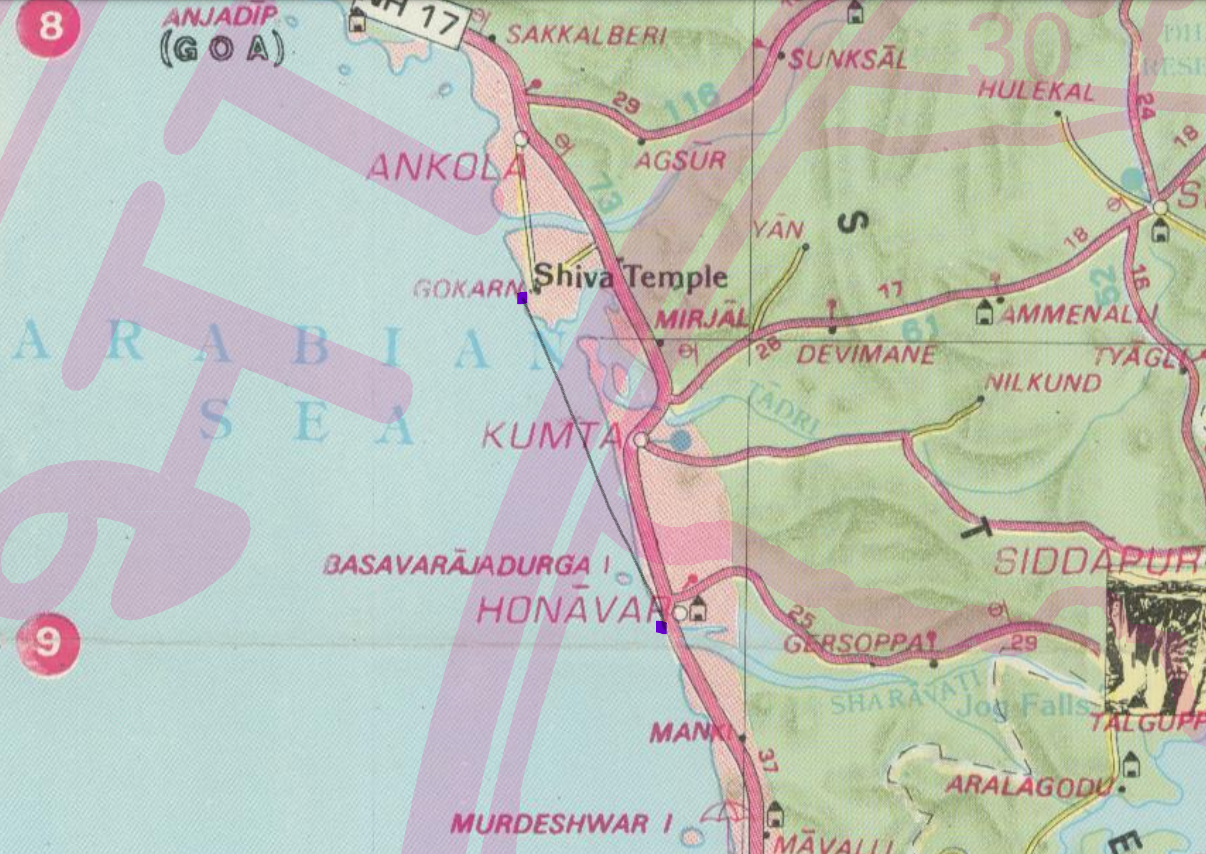
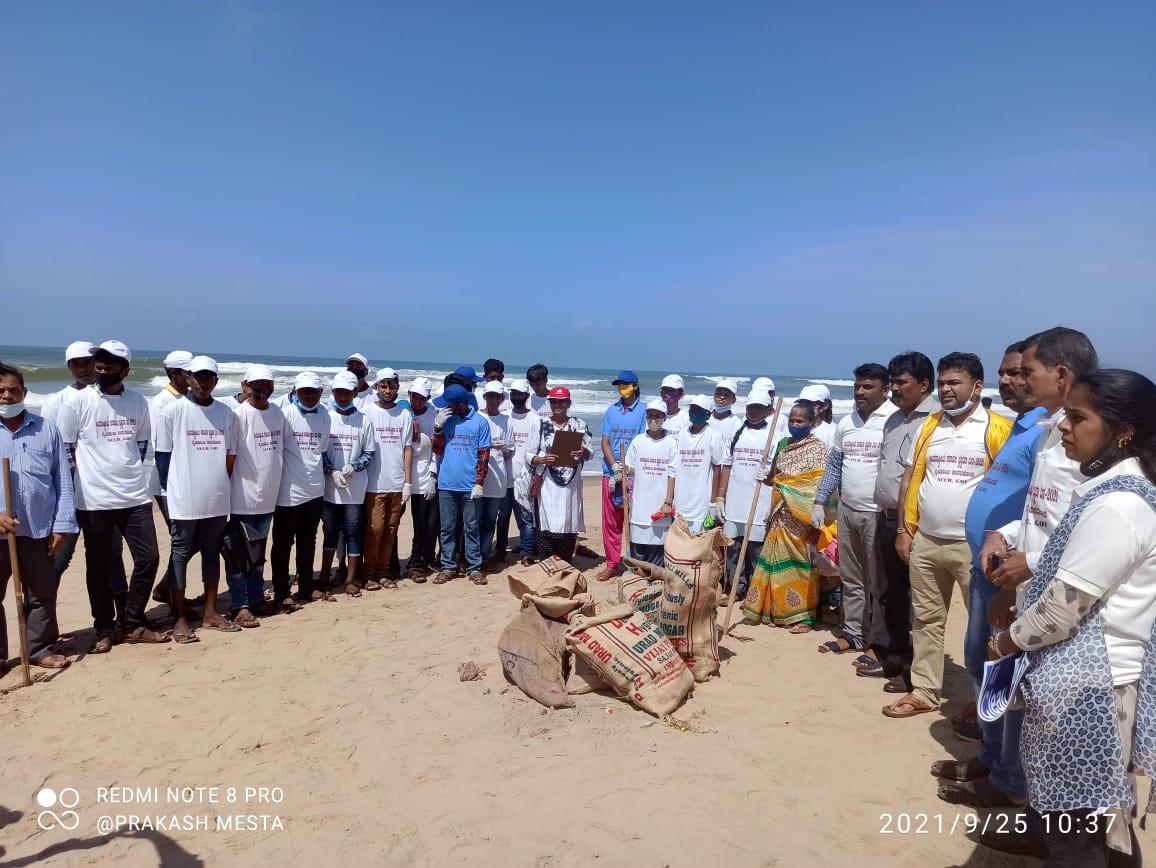
International clean-up programmes organized at Kasarkod Beach and Gokarna Beach on 20th & 25th September,2021 by Snehakunja trust Kasarkod, Honnavar in association with National Centre for Coastal Research (NCCR), Chennai under Ministry of Earth Sciences(MoES), Kushi Parisara Gokarna, Shree Bhadrakali P U Collage Gokarna, Grama Panchayat Gokarna, Lions club Gokarna, Rotary Club Gokarna, Hotel and Resort owner association Gokarna, Fishermen Co-operative Society Tadadi and Gokarna Police Department, Fisher women association Tonka, Pursine Boat owners association, Fresh fish Marketing association, Fishery Labor association, Grama panchayat Kasarkod, National fishers forum members and social workers. More than 200 volunteers participated in clean-up drive. Beach cleaning or clean-ups are an extremely important event to help mitigate the problems caused by ocean debris and danger inflicted on marine life as a result of plastic pollution.
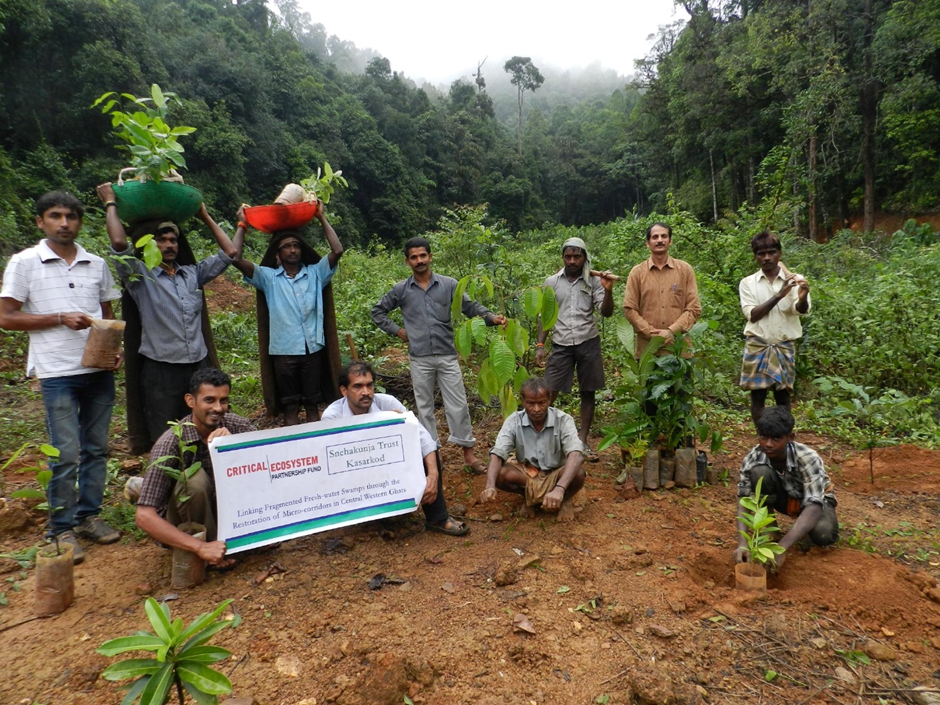
Critical Ecosystem Partnership Fund supported ecological restoration of fresh water swamps and mangroves in Western Ghat area and coastal zones of Uttara Kannada district respectively. Snehakunja with the support of Ford Foundation has been actively involved in mangrove restoration work since 2005 and more than 70,000 mangrove seedlings were planted and maintained. Realizing the importance of mangroves in mitigating natural disasters and carbon sequestration, the local communities were incentivized to undertake restoration and management activities beyond the project period. With the support of another project Snehakunja has undertaken planting of 100,000 mangroves the coastal zones of Uttara Kannada. Other activities included strengthening the Village Forest Committees formed under JFM and fish quality management in the coastal zones.
Income Generation Training Programmes for SHG members: DST. Govt. of India supported a project to train our SHG members in Bee Keeping, preparation of value added products from Jack fruit, Kokum, Prawn and clams. Snehakunja has promoted a network of 400 self-help groups. Most of these groups were trained in financial management skills. Most of the members of these SHGs belong to poor tribal and backward communities. We have also trained some of the SHG groups in coir work who have adopted this as their livelihood activity. Most of our SHG members are involved in income generation activity either individually or collectively. While some have invested in their traditional livelihood activities like fish vending other women have started activities like provision shops, sandalwood waste garlands, prawn chutney and pickle preparation, mills and vermin-compost pits. Jointly with Bharatiya Vikas Trust, Manipal, several IGP training programmes have been conducted for SHG women. Also workshops on career guidance and sex education programmes have been conducted for teenagers, with the cooperation of BVT. We are also facilitating the formation of a farmer producer organization and cooperative to provide livelihood linkages with conservation.
Workshops on gender equality, health and hygiene, Legal Rights of women, Hazards of Gutkha and arrack are regularly organized for the benefit of our SHG women. Two workshops on Domestic violence act have also been conducted at district level.
13. Dried Fish Matters, Kerala
Project Title: Dried Fish Matters: Mapping the social economy of dried fish in South and Southeast Asia for enhanced wellbeing and nutrition: Social Economy of Dried Fish in Kerala
Funding Agency: University of Manitoba Anthropology, 432 Fletcher Argue, Fort Garry Campus, Winnipeg MB R3T 2N2 Canada
Total Budget: Rs.11, 39,000 (CAD$ 11850)
Project Period: July 2021 to Sept 2022
PI: Dr. Ramachandra Bhatta
Project Summary: A total of 24 markets spread across eight districts of Kerala were covered in the primary data collection phase (Figure 1). These markets were selected purposively so as to cover major production centers, wholesale and retail markets, and consumption centers in the state. Most of the markets covered are located in major coastal districts of Kerala, but a few inland districts were also included. A total of 30 wholesalers, 35 retailers, and 5 commission agents were interviewed. Of these, 12 were women (Table 1). The interviews were carried out between January and August 2022. The interviews focused on issues such as marketing methods, peak and off seasons, raw material purchase, selling mechanism, and the involvement of women. This report provides a descriptive analysis of the interview data. The production, distribution, and consumption of dried fish are influenced by the season, weather conditions, and economic shocks induced by incidents such as the pandemic.
Results indicate that dried fish is still an important component of Kerala’s seafood value chain, despite confronting major challenges. In terms of supply of dried fish, the markets in the state rely on both local production as well as interstate trade with Tamil Nadu, Gujarat, West Bengal, Odisha, Karnataka and other states. Trust plays an important role in routine market transactions as much of those are informal and are based on credit. Thus, this indirectly indicates to the fact that the buyers and sellers have been interacting over a long time period which basically creates the trust among them. It also indicates building trust among the value chain actors takes time. Terms of credit often involve repayment in about a week’s time. A common observation across many markets is that there is a substantial decline in the number of dried fish vendors/traders over the years. This appears to be a continuation of the observation of Chellappan (2004) who also noted the decline over time in dried fish production in Kerala. Some of the major challenges facing the dried fish production segment of Kerala are: decreased demand among final consumers; growth of fishmeal and fish oil industries resulting in increased price for fresh/raw fish; and, lack of support from the government. In particular, fishmeal production can have long-term adverse impact on sustainability of fishing itself given that it increases the derived demand for even trash fish. This may further affect the viability of small-scale fish processing operations such as curing and drying.
In many markets, dried fish processing and trading businesses are passed along in the family for continuity. Interviews with market actors indicate that the younger generation may not be enthusiastic in taking up dried fish processing and trading for livelihood. Moreover, sudden shocks such as the COVID19 pandemic added to the turbulence in this vulnerable market.
Interviews with retailers indicate that the dried fish consumer market is evolving as seen in the case of the Ernakulam Wholesale Market. Use of technology is becoming common in physical transactions (quality checks through video calls; coordination with online grocery orders) and monetary transactions.
There is some social organization of dried fish processors and traders, but it can be strengthened further. There are avenues to strengthen the collective action among the actors in the dried fish sector through creation of producer organizations. Overall, the dried fish sector of the state would benefit from improved fisheries management and institutional support.
14. Hatching Hope Accelerating Incomes (HHAI)
Project Title:Hatching Hope Accelerating Incomes (HHAI) - Accelerating farm incomes and improving climate resilience in Ananthpur District, Andra Pradesh
Funding Agency: Heifer Project International, 1 world Avenue, Little Rock, AR 72202, USA, United States of America
Total Grant Received: INR 6,31,00,425 (US$789656)
Project Period: April 2021 to August 2023
PI: Dr. Narasimha Hegde
The Hatching Hope Global Initiative (HHGI) is a joint effort by Heifer International (Heifer) and Cargill Animal Nutrition and Health (Cargill) with the goal of improving the nutrition and economic livelihoods of 100 million people by 2030 through the promotion, production, and consumption of poultry. Launched in 2018, HHGI combines Heifer's holistic community development approach and Cargill’s expertise in animal health and productivity, extensive knowledge of the poultry industry, and global market connections. Heifer’s mission is to end hunger and poverty while caring for the Earth. Heifer’s approach centres on boosting smallholder farmer households to a living income ensuring all members of a household can afford a dignified standard of living. HHGI interventions are designed to improve the productivity, incomes, nutrition and resilience of poultry producers through the promotion of nutrition education and best practices for production and improving access to products, services, and markets. Their current Hatching Hope project in Odisha, India, is increasing poultry production and incomes for smallholders by building them up to become sustainable market actors, with potential to scale up to reach 62 million people under the HHGI framework.
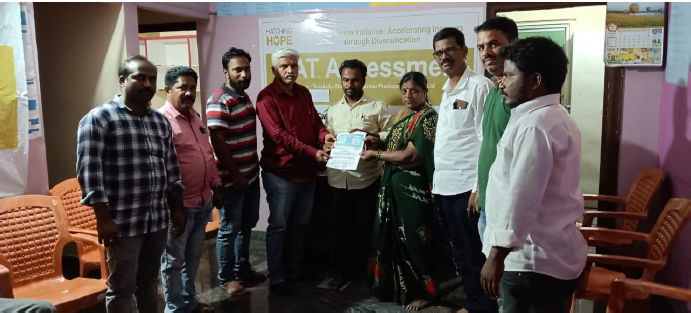
Accelerating Incomes launched in July 2020, beginning with an assessment phase to understand the current state of FPOs in Andhra Pradesh and determine the potential for backyard poultry (BYP) as a profitable value chain. The assessment, conducted by Ernst & Young Global Limited (E & Y) concluded in January 2021 and generated insights into challenges and opportunities for FPOs within the emerging BYP value chain, which guided project design for the implementation phase.
Snehakunja is working on by 3FPOs, which stands for the Narpala, Tanakallu, and Rolla mandals. There are 27 Grama Panchayats covering 68 villages in these 3 Mandals. We have a target of 2800 farmers overall, however so far, we have only benefited 1178 people. 810 men and 368 women are beneficiaries of that 1178. There are 107 FIGs formed total in the project, 8 of them are women FIGs. We also elected the 30 board members for the 3 FPOs.
During clusterization approach, the POG village members raised as issue regarding the benefit of the shareholders and their capital when they don’t get any direct benefit out of it. So, they required what is the use of our share capital when we didn’t get any profit from project so they want to add their villages to OG. FPO need financial support for adding POG villages as OG village.
There were multiple discussions regarding it and after a series of exchange of information between the SKT and Heifer, the team of SKT was able to communicate the approach to the selected members and the construction work is done smoothly.
Success Story:
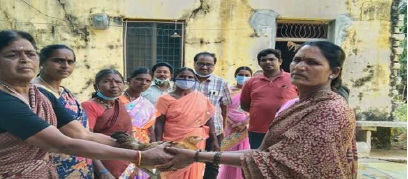
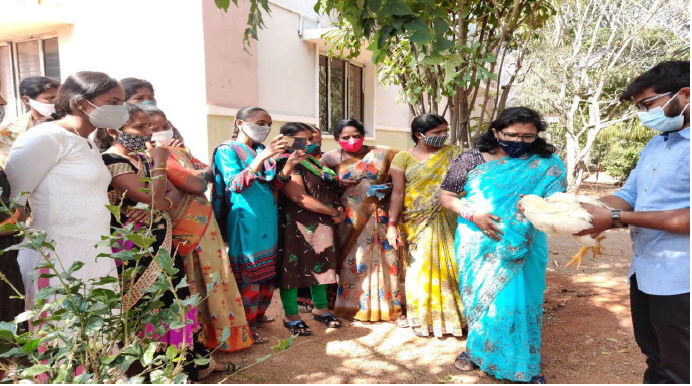
Redemma, a women member of Tanakallu Chaitanya Farmer Producer Company Limited, resides in Kanasanavaripalli, and is widow. Currently she is of the member of the Gangamma FIG which is part of the said FPC. Before associating the group, she was earning a widower stipend of Rs.1000/- per month from the state government and usually works as a labor by farming in her property, to earn her livelihood. Once she joined as a member in the FPCL she also participated in the CS trainings conducted to promote the values of the HHAI Project. The entrepreneurial and leadership skills imparted during the training was highly motivating for her and post which she was able to invest herself in passing on the gift approach of the HHAI project, where she gifted 2 chickens to her co-villagers.
Heifer International came forward to support some of our farmers who were affected by this Covid-19 wave. This support was provided in the form of revolving funds to the most vulnerable rural families belonging to small and marginal farmer communities who were impacted by the pandemic. This additional fund was allocated to farmer members of FIGs belonging to 3 FPOs (Rolla, Tanakallu and Narpala) of Anantapur, Andhra Pradesh. Each FIG was allotted Rs. 29,000/-. The identified beneficiaries were disbursed funds as per their plan of action and were asked to repay the funds back to their respective FPO in 6 months–1 year from the date of disbursement, depending upon the IGP (income generation program) chosen by them.
The beneficiary’s identification was made by FIG members in their meetings through discussion with them. FIGs identified beneficiaries were cross checked by BODs in their BODs meetings.
During the process of identification, it was observed that none of the shareholders directly were infected by Covid, but one or two of their family members were affected. The list of such families was sent to the Heifer team for their approval. Upon receipt of approval from Heifer, the money was transferred to respective FIG members - totalling to 114 members.
The farmers agreed to use this fund for farming, livestock purchases, fertilizers, backyard poultry activities, setting up new petty shops, expanding existing petty shops, and support in enhancing their incomes.
15. CCFD
Project Title: CCFD project (Facilitating Ancestral and Cultural Knowledge sharing to sustan activities that uphold Koraga indentity, dignity and respect)
Funding Agency: Terre Solidaire, 4, rue Jean Lantier 75001, Paris
Total Budget: INR. Rs.4, 43, 264.00 (Euros 5000)
Project Period: Jan 2021 to May 2021
PI: Dr. Ramachandra Bhatta
The Koragas are indigenous people who live in Dakshina Kannada (DK) and Udupi districts of Karnataka and Kasargod district of Kerala. With a distinct language, culture which sets us miles apart from the dominant majoritarian culture, our community has been classified as a Particularly Vulnerable Tribal Group (PVTG), owing to our diminishing population and shrinking cultural sphere. The Ajal practices, a set of inhuman and discriminatory practices dating back several centuries, which was prohibited through legislation in 2000 is still forced on us in subtle forms. This practice along with others has been a reason for our historical subjugation in all ways possible, the result of which can be seen in the manner in which our tribe has shrunk to less than 24000 people in all. Growing up, we saw our elders dedicating their lives to pull us out of this oppression. They worked hard to transform the social, educational and economic status of the community. Along with that, they have always emphasised on assertion of our identity through our unique cultural expression forms. Under the collective that was formed many years ago to fight for our constitutional rights and our right to land, they formed a group called Koral Kala Thanda eleven years ago. This group aimed at upholding Koraga dignity and asserting it. Now, we, the new generation are attempting to continue this work till constitutional equality becomes a reality for us in this country.
Knowledge sharing has been key to keeping our tribe alive. Our ancestors kept our language and cultural identity alive by passing it on to the next generation, in spite of the humiliation they faced, to stigmatise our existence. This is especially difficult in the present Neo-liberal world, as many of us have to strive hard to survive and provide for our families. In Spite of continuous attempts and representations from us, the government has been far from helpful in enforcing affirmative action which has been provided to us. Young people from our tribe are pushed farther away from embracing their identity, in the hope that disassociation would help with a better existence and maybe keep away societal stigma. But we know this is far from the truth. We know the struggle our elders put themselves through, for the next generation to live on and to invoke pride in us about our identity and culture, in the place of shame. We have come to realize that in our identity is our strength. We want to keep the struggles of our ancestors alive, by passing on these stories of resistance, and by devising new ways to continue our movement towards our tribe’s social, educational and economic progress. Through this, we strive to achieve equality and dignity as our Constitution sets out.
Immerse our self in interacting with Koraga youth across our settlements and identify from them a set of individuals who are committed to work towards the facilitating growth of the community.
Organizing group trainings to train our youth in the community’s musical tradition to enable them in cultural expression.
After this, organize trainings with mainstream musicians so that we can devise new forms of sharing stories of Koraga struggle through our music.
Simultaneously prepare our youth to be representatives and leaders of the community by developing skills to organize ourselves and articulate what the community needs. This will include trainings in PR, communications, collaborations, social media skills and fundraising for future endeavors and performances of KKT or our collective.
Collaborating with individuals from across the state to facilitate platforms for KKT’s public performance to help the community showcase our struggle for equality.
16. Capacity Building, Livelihood-Enterprise Development Program on Bivalve Culture in Aghanashini Estuary NABARD
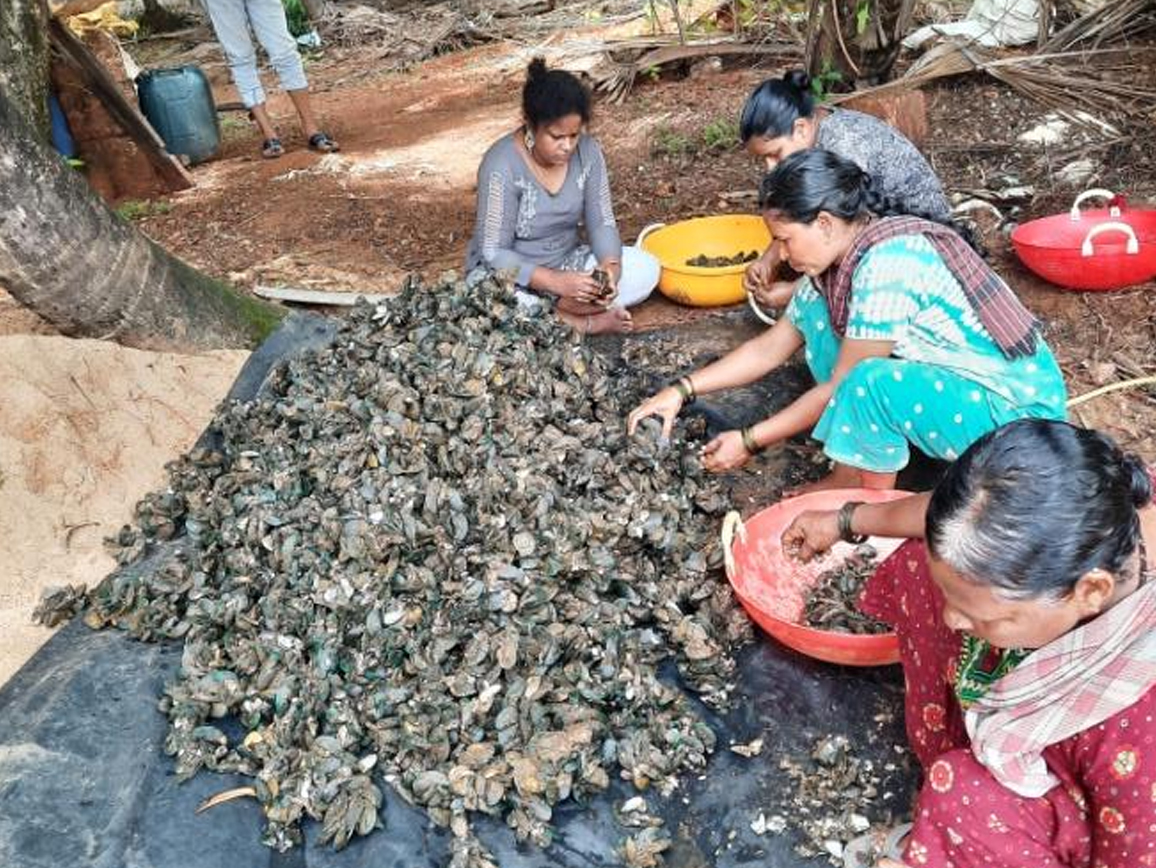
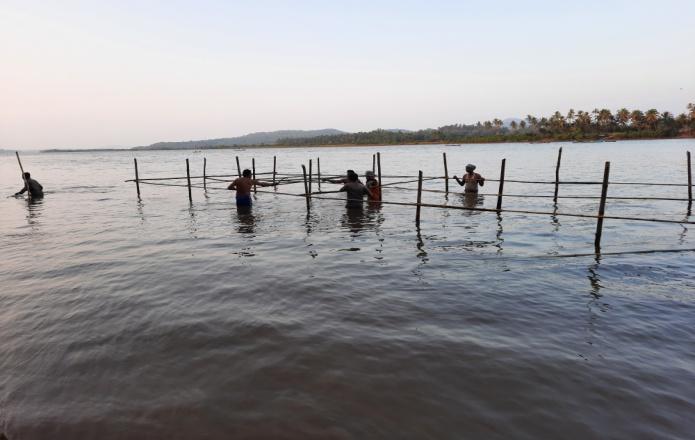
Snehakunja Trust a charitable trust with rural development as one of its main objectives initiated the activities to relating to mussel farming. The staff started consultations followed by physical visits to different river estuaries such as Gangavali, Sharavathi and Aghanashini for site selection. Simultaneously we identified two fisher groups who could be trained to undertake mussel farming. Mr. Shankar Kundar of Sasthana village of Kundapur taluk, Udupi dist, one of the most progressive mussel growers using rope & raft technology helped in developing the technology and enterprise budget. He suggested that optimum salinity should be around 20-30 ppt and water quality should be good with oxygen and flow-speed. Accordingly, we selected Aigalakurve in Aghanashini estuary. The needs assessment of capital (ropes, cloth, bamboo pipes) and variable inputs (seeds, labour etc) and willingness of the producer groups was assessed. Snehakunja had excellent rapport with the producer groups of Aigalakurve due to its earlier contacts and good will. The beneficiary groups accepted our Project ideas. We organized to F.G.D on mussel forming with identified beneficiaries with the help of one member who had training also. We received the approval and sanction of our project proposal submitted to NABARD on 27/10/2020 as a sync-project in collaboration with the State Fisheries Dept and NFDB scheme on mussel farming to subsidise capital cost of individual unit’s mussel farming. Finally, 15 women beneficiary units were selected for the project Following work plan was prepared in consultation with Mr. Shankar Kundar.
17. Ruptures and gendered adaptations of Social Economy of Small - Scale Fisheries of Indian Ocean Region Scoping study in Tamil Nadu and Karnataka. SSRC I-
Project Title: SSRC - Ruptures and gendered adaptations of Social Economy of Small - Scale Fisheries of Indian Ocean Region Scoping study in Tamilnadu and Karnataka
Funding Agency: Center for Poverty Analysis, 16 Jawatta Rd, Colombo 00500, Sri Lanka
Total Budget: INR Rs.4, 61, 301.00 (US$ 7100)
Project Period: July 2020 to August 2021
PI: Dr. Ramachandra Bhatta
Small-scale fisheries are diverse and vitally important resource economies that underpin the livelihoods and nutrition security of millions of people across the Indian Ocean (IO) region. Yet, these economies and the communities they support are enmeshed in political ecologies of change that are heightening their vulnerability. Mounting, synergistic threats include climate change, pollution, overfishing, inter-sectoral competition, and changing institutional regimes of resource appropriation and control of space. Though the inherent dynamism of small-scale fish economies, particularly regarding the movements of people, fosters resilience, the intensity of change may now be crossing thresholds of fisheries’ viability. As the current Covid-19 crisis shows, change in small-scale fisheries may accelerate during moments of crisis. While such situations expose vulnerabilities, they can also provide new opportunities.
The objective of this proposed planning project is to convene an international, interdisciplinary group of scholars who conduct research on fisheries across four IO countries - India, Sri Lanka, Cambodia, and Tanzania. Collectively, we plan to develop a comparative project that investigates emerging economic and environmental changes in the region and how these are mediated by intersectional social relations: gender, ethnicity/race, caste, class, and place. Our overarching research question is to understand how different regional social economies of fisheries in the IO shape possibilities for adaptation to rupture. This project attempts to capture the various spatial-temporal developments along the coastline and their effects in particular on the small-scale fishing communities. Several ‘ruptures’ have been identified along the Indian coastline which are affecting or continuing to affect the coastal ecosystem, livelihoods and food security of the local communities. We attempt to dissect the political economy of the coastline of Karnataka to understand the nature of these changes and their drivers. We have shown how the ‘blue economy’ policies favoring large scale fishing activities, port infrastructure development and beach tourism, have resulted in squeezing the effective space of operation for the traditional small-scale fishing and its value chain. The setting up of Special Economic Zones and non-implementation of the Coastal Regulation Zone guidelines has added different dimensions to the developments. Further, the impetus on commercialisation of the coast has exacerbated this process. Our arguments are substantiated with specific examples from Karnataka to highlight how these various processes are at play.
| Conflict Type | Manifestation in the Context of Coastal Karnataka SSF |
|---|---|
| Type-1 (Who controls the fishery) | Conflicts over inter-state fish harvesting rights, especially during the monsoon. |
| Type-2 (How the fishery is controlled) | Weak fisheries governance; no centralized fishery management institutions for managing common property resources. |
| Type-3 (Relations among fishery users) | Policies favoring large-scale mechanized fishing have reduced the space for small-scale fisheries; corporatization of the fish value chain leaves SSF with limited options. |
| Type-4 (Relation between fishers and other users in the coast/riparian zone) | Coastal erosion and competition for scarce and expensive coastal real estate; huge investments in infrastructure such as ports that dislocate large fisher populations; extraction of land, water, and other resources by petrochemical, thermal power, and other industrial projects that directly and indirectly impact fisheries resources. |
| Type-5 (Relation between fishers and non-fishery issues) | Increasing number of stakeholders from non-dependent sectors; corruption and/or inappropriate interventions in policy formulation and implementation; inequitable development, subjugating local administration, and political discrimination. |
We finally argue that inclusive policies and practices and engagement with the communities in the decision-making process are necessary to balance the conflicts arising from competing resource use to ensure the blue economy benefits all instead of just a few powerful as is happening at present
18. ADB and AIIB Covid19 Loans in India
Project Title: Assessment of ADB and AIIB COVID-19 Loans in India
Funding Agency: NGO Forum ADBI, 85A Masikap Extension, Central District, Quezon City, 1101, Philippines
Total Budget: INR Rs.4,85,174.00 (US$ 6,650)
Project Period: Feb 2020 to June 2021
PI: Dr. Ramachandra Bhatta
Revitalizing transparency and enhancing the effectiveness of the COVID-19 Recovery Loans provided by International Financial Institutes (IFIs), considering the intensity of the impact of the pandemic on vulnerable sections.
1. Unwrapping the timeliness, reach and effectiveness of the COVID-19 economic recovery finances provided by the International Financial Institutions, especially ADB and AIIB in India.
2. Create an opportunity for evidence-based advocacy with IFIs on COVID-19 recovery finance.
3. Consultation and regular contact with IFI-financed project communities seriously affected by the COVID-19 pandemic: ADB KEIIP communities and AIIB Bangalore Metro Rail project communities.
Activities
1. Preparation of a Country Assessment Report on COVID-19 Recovery Loans provided by the ADB and AIIB to India which will cover:
a. Issues: Timeliness, Access to Essential Services, Access to Recovery Facilities, and Civil Society Space. Case study that looks at a particular COVID-19 Recovery Loan covering Access to Health and other Essential Services, Information Disclosure, etc.
b. Webinars:
(i) National Discussion on COVID-19 Recovery Loans, Debt Burden & Access to Essential Services.
(ii) South Asian Regional Dialogue on COVID-19 Recovery Loans, Debt Servicing and Role of IFIs.
(iii) International Meeting on COVID-19 Recovery Loans.
2. Supporting the Communities from IFI-financed project areas affected by COVID-19 through regular communication and support for communities of the ADB KEIIP and AIIB Bangalore Metro Rail project area.
19. Rainfed agriculture
Project Title: Strengthening RRA Network in Karnataka through action research, policy deliberation and integration of rainfed agenda in mainstream Government schemes
Funding Agency: Friends of Women’s World Banking, India
Total Budget: INR Rs.23,93,250.00
Project Period: Dec 2019 to Mar 2021
PI: Mr. Narasimha Hegde
Snehakunja is involved in strengthening the Revitalizing Rainfed Area (RRA) Network in Karnataka through action research, policy deliberation, and the integration of the rainfed agenda into mainstream Government schemes. Karnataka is largely a dry state. According to the Central Research Institute of Dryland Agriculture, 16 of the 24 permanently drought-prone districts in India are located in Karnataka. Findings from ICRISAT also indicate that Karnataka has the second largest area under rainfed agriculture in India.The resulting social crisis has been documented by the D. M. Nanjundappa Committee report on regional imbalances in the state using Composite Cumulative Development Indices and Cumulative Deprivation Indices. The most backward districts identified in the report largely correspond to the rainfed and drought-prone regions of Karnataka. Despite this, the issue has not received the level of attention it deserves. The project revived the traditional farming practice of Akkadi Saalu, a locally specific and biodiversity-based ecological farming system, across five rainfed districts. It was also promoted among government agencies, academic institutions, and farming communities throughout the state. The initiative encouraged fifty farmers in each of the five districts to adopt Akkadi Saalu cultivation during 2020. It also advocated with the Government of Karnataka to promote this traditional farming system in rainfed regions of the state. Akkadi Saalu model farms were established in all five districts, and scientific studies were conducted to examine the social, ecological, economic, and cultural impacts of this traditional agricultural practice. A detailed report on Akkadi Saalu has been appended separately.
20. Alternate energy – greening livelihoods SELCO Project
Project Title: Strengthen and green rural economies, Alternate energy – greening livelihoods SELCO Project
Funding Agency: Selco Foundation, Bangalore
Total Budget: INR Rs.1,69,93,478.00
Project Period: Aug 2019 to Sep 2020
PI: Mr. Narasimha Hegde
Snehakunja aims to strengthen and green rural economies by facilitating energy-efficient value chain development for FPOs and micro-enterprises, while also developing the rural micro-enterprise ecosystem and providing customized business incubation support. The project area included 10 FPOs across Karnataka and Gujarat.
India has made considerable progress in rural electrification, especially in the states of Gujarat and Karnataka. However, many villages still face load shedding and erratic power supply. Fluctuating voltages and power cuts during the day can significantly affect manufacturing schedules and damage installed machinery.
To address energy and infrastructure constraints, the Government has promoted food parks, Special Economic Zones (SEZ), and agro-processing clusters across the country. However, these are more suitable for larger SMEs, while producer enterprises, village industries, and micro-enterprises operating at lower scales are often unable to take advantage of such schemes due to restrictive eligibility criteria.
21. Swamp Restoration